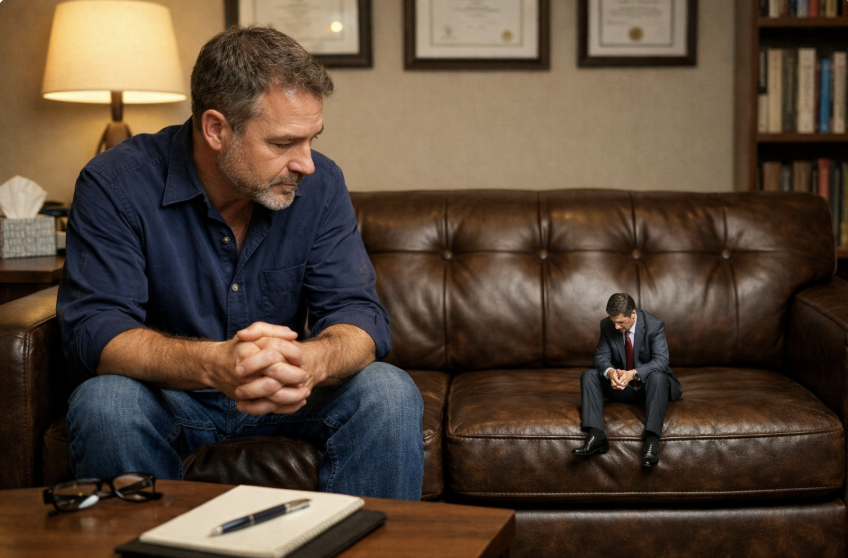

Understanding trauma rehab for men
When symptoms from trauma, PTSD, or severe anxiety start to take over your life, outpatient therapy might not feel like enough. A structured trauma rehab program can give you the intensity, safety, and support you need to regain stability and start healing.
In a men-only trauma rehab setting, you step into an environment that is built around the way men often experience and express trauma. You are not expected to have everything figured out, and you do not have to carry it all alone. The focus is on stabilization, grounded daily structure, and practical tools that help you function again, not just talk about what happened.
If you have already been exploring options like an anxiety treatment center or inpatient PTSD treatment, understanding how trauma rehab works specifically for men can help you decide if this level of care fits your recovery needs.
Signs you may need trauma rehab
Trauma affects everyone differently, but some patterns are especially common among men. You might not describe what you are going through as “trauma” at first. You may just feel like you are losing control, constantly on edge, or no longer yourself.
You may benefit from a structured trauma rehab program if you recognize some of the following in your life:
- You relive certain events through intrusive memories, nightmares, or flashbacks
- You avoid people, places, or situations that remind you of what happened
- You feel constantly tense, angry, or on guard, even when there is no clear threat
- You struggle to trust others, or pull away from your partner, kids, or friends
- You use alcohol, drugs, work, or risky behavior to numb out or escape
- Your sleep, appetite, or basic daily functioning are breaking down
- You have tried outpatient therapy, but symptoms keep flaring or escalating
- You have had thoughts of self-harm, aggression, or simply “not wanting to be here anymore”
If your symptoms are affecting work, relationships, or safety, a higher level of support is often the most responsible next step. Residential or inpatient trauma rehab gives you space away from your daily environment, so you can focus fully on stabilization and recovery.
Why choose a men-only trauma rehab
Many men grow up with messages that discourage vulnerability and emotional expression. This can make mixed-gender treatment feel complicated, or even unsafe, when you are exploring painful history, shame, or anger. A men-only trauma rehab removes some of that pressure so you can be more direct and honest.
In a gender-specific setting, everyone around you is navigating some version of similar challenges. The focus is not on performing or pretending you are fine. It is on reality, accountability, and progress.
A men-only program often emphasizes:
- The impact of masculinity norms and how they shape your coping
- The ways men are conditioned to channel pain into anger, work, or substances
- Practical, skills-based approaches that resonate with how men tend to think and act
- Brotherhood and peer accountability instead of isolation and competition
This sense of camaraderie can make it easier to say what is actually going on, to ask for support, and to let others challenge you when you slide back into old patterns.
Core components of effective trauma rehab
When you compare trauma rehab programs, look closely at how they structure care. The right program addresses your symptoms on multiple levels, not just one.
Trauma-informed assessment and stabilization
Effective trauma rehab begins with a thorough assessment. You should expect your clinical team to ask about:
- Trauma history and timelines
- Current and past substance use
- Medical conditions and medications
- Co-occurring diagnoses such as depression, anxiety, or bipolar disorder
- Safety risks, including self-harm or aggression
The goal is not to interrogate you, but to understand where you are starting from. Based on this assessment, your team will develop a stabilization plan that might include medical support, medication adjustments, and gradual exposure to trauma work at a pace your nervous system can handle.
Evidence-based trauma therapies
Trauma rehab should use therapies that are backed by research for PTSD and trauma-related conditions. Some of the most common include:
- Cognitive Behavioral Therapy (CBT) to identify and change unhelpful thoughts and beliefs
- Trauma-focused CBT that directly targets trauma memories and their impact
- Eye Movement Desensitization and Reprocessing (EMDR) to help reprocess traumatic experiences
- Somatic or body-based therapies that address how trauma is stored physically
- Group therapy focused on trauma education, coping skills, and shared experience
These approaches are not about forcing you to relive everything at once. Instead, they create a structured, step-by-step path to process what happened, reduce symptom intensity, and build new patterns.
Emotional regulation training
For many men, trauma shows up as explosive anger, shutdown, or a quick jump into fight or flight. Emotional regulation training is a central part of trauma rehab and can be just as important as talking about your history.
You learn skills to:
- Recognize early signs that your nervous system is escalating
- Use breathing, grounding, and movement to lower physiological arousal
- Label emotions accurately instead of defaulting to “fine” or “angry”
- Tolerate discomfort without acting impulsively or numbing out
Over time, these skills help you respond instead of react. This is crucial for your relationships, your work, and your own sense of control.
Anger management that addresses root causes
If anger has become your default response, you are not alone. Many men enter trauma rehab after an angry outburst, legal issue, or family crisis. A strong program will not just ask you to “control your temper.” It will help you understand what is underneath.
Anger management within trauma rehab typically includes:
- Identifying triggers that set off aggressive or defensive responses
- Explaining how trauma primes your brain and body to overreact to perceived threats
- Practicing alternative responses such as assertive communication and time-outs
- Exploring grief, fear, shame, or betrayal that may be feeding your anger
You are not blamed for your reactions, but you are expected to take responsibility and learn new ways to protect yourself and others.
The power of brotherhood and accountability
Trauma thrives in isolation. In a men-only trauma rehab, you are surrounded by peers who understand what it is like to feel overwhelmed, ashamed, or numb. Over time, this can develop into a sense of brotherhood that is a powerful part of your healing.
Camaraderie in trauma rehab is not about minimizing your pain or joking things away. It is about:
- Hearing your own story reflected in others, so you feel less alone
- Receiving honest feedback when you fall back into denial, avoidance, or self-sabotage
- Celebrating progress together, even when it feels small
- Holding each other accountable to show up for groups, skills training, and difficult conversations
Many men leave trauma rehab with friendships and support networks that continue long after discharge. This kind of connection can be a key factor in long-term resilience and relapse prevention.
In a strong men’s trauma program, brotherhood is not just a word. It is a daily practice of showing up for yourself and for the men walking beside you.
Safety, structure, and daily routine
When trauma symptoms are peaking, your nervous system is usually in survival mode. Structure and predictability help calm that system down. A well-designed trauma rehab provides a highly structured daily schedule so you do not have to constantly decide what to do next.
You can expect days that include:
- Set wake-up and lights-out times
- Regular mealtimes and medication checks
- Individual therapy sessions
- Group therapy and psychoeducation
- Skills training for emotional regulation and communication
- Time for exercise, mindfulness, and reflection
This structure is not meant to control you. It is meant to give your brain and body a consistent rhythm so you have the energy and focus to do the deeper work.
Safety is also a priority. A quality trauma rehab will have clear boundaries, supervision, and emergency protocols. You should feel confident that staff know how to respond if you are in crisis, dissociating, or experiencing intense flashbacks.
Levels of care: Inpatient vs residential trauma treatment
You may see terms like inpatient, residential, or partial hospitalization while researching trauma rehab. Each refers to a different level of intensity and medical involvement.
Inpatient trauma treatment is usually:
- Hospital-based or directly connected to a medical facility
- Focused on acute stabilization and safety
- Shorter in length, often days to a few weeks
Residential trauma treatment is typically:
- In a more home-like, campus-style setting
- Designed for deeper therapeutic work after initial stabilization
- Longer in length, often several weeks to a few months
If you are dealing with severe PTSD symptoms, you might start with inpatient PTSD treatment to get stabilized, then step into residential trauma treatment for more extensive healing.
Both levels of care can use similar therapeutic approaches. The right choice depends on your current level of risk, your medical needs, and how stable you feel in daily life.
How trauma rehab supports co-occurring anxiety and PTSD
Trauma rarely appears alone. Many men entering rehab are also dealing with generalized anxiety, panic episodes, or formal PTSD diagnoses.
A comprehensive program will treat all of this together, not in separate silos. That might include:
- Medication management for anxiety, depression, or mood instability
- Structured anxiety treatment groups focused on exposure, coping skills, and cognitive restructuring
- Targeted PTSD interventions, often similar to what you would find in a dedicated PTSD treatment center
- Education on how trauma and anxiety interact, and how to manage both in daily life
The goal is not to label you with more diagnoses. It is to understand how different symptoms interact so your treatment plan can actually match your experience.
Questions to ask when choosing a trauma rehab
When you are evaluating trauma rehab options, it helps to ask concrete, direct questions. This can clarify whether a program aligns with your needs and values.
You might ask:
- Is this a men-only program, or mixed-gender with some gender-specific groups?
- What types of trauma does your team regularly treat, for example combat, childhood abuse, accidents, first responder trauma?
- Which evidence-based trauma therapies do you offer, for example EMDR, trauma-focused CBT, somatic work?
- How do you handle anger, aggression, or high-conflict behavior in the community?
- What does a typical day look like for a new client in your trauma track?
- How do you support emotional regulation and skill building, not just processing the past?
- What is your approach to co-occurring substance use? Can you support detox if needed?
- How is aftercare planned, and what kind of support will I have once I return home?
The way a program answers these questions will tell you a lot about whether they are prepared to support your specific situation.
Preparing yourself for the rehab experience
Committing to trauma rehab is a serious decision. It often involves stepping away from work, family, or other responsibilities for a period of time. Preparing yourself mentally and practically can make the transition smoother.
It can help to:
- Be honest with yourself about why you are going, and what is at risk if nothing changes
- Communicate with loved ones about what to expect during your stay and how they can support you
- Work with admissions staff to coordinate any needed leave from work or legal requirements
- Approach the program with openness, but also with clear personal goals for what you hope to change
You do not have to have every answer when you arrive. You only need a willingness to engage, even when things feel uncomfortable. The more you show up for sessions, groups, and skills training, the more you are likely to gain from the experience.
Building long-term resilience after trauma rehab
Trauma rehab is not the end of your journey. It is an intensive starting point that gives you tools, insights, and stability you can carry into your life outside.
After discharge, long-term resilience usually involves:
- Ongoing outpatient therapy, sometimes with a trauma specialist
- Support groups or peer networks that understand trauma and recovery
- Practicing emotional regulation skills daily, not only in crises
- Communicating with family or partners about your needs and boundaries
- Developing routines that support sleep, nutrition, and physical health
Your time in rehab can help you design a life that is safer and more sustainable. You learn how to respond when symptoms flare, how to ask for help, and how to protect your progress, even during stressful times.
If you are considering trauma rehab, you do not have to make the decision alone. Reaching out to a program, exploring options like an anxiety treatment center or a dedicated PTSD treatment center, and asking direct questions can help you choose a path that fits your circumstances.
You are allowed to need this level of care. You are allowed to step away from the chaos and focus on healing. With the right men-only trauma rehab, you can move from surviving day to day into building a life that feels more stable, more connected, and more your own.