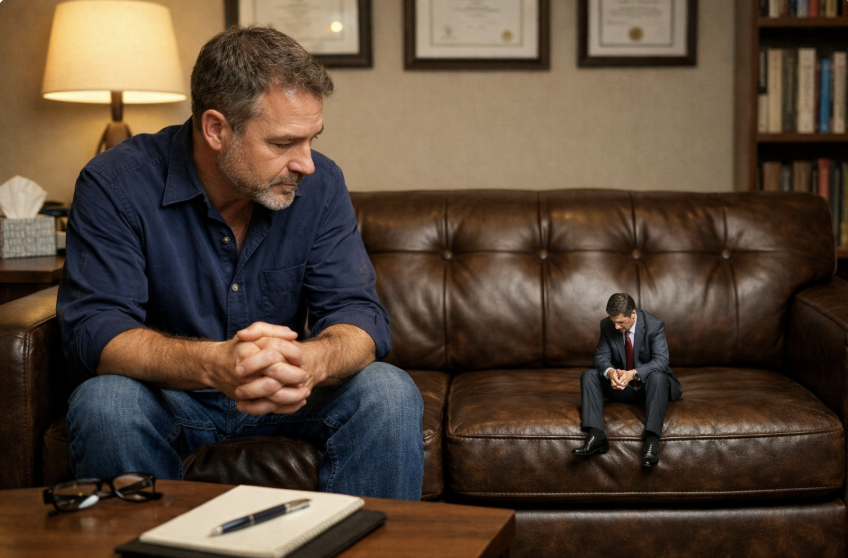

What a PTSD treatment center does for you
When symptoms of trauma take over your days and nights, it can feel like your life is no longer your own. A dedicated PTSD treatment center gives you structure, safety, and a clear plan to regain control. Instead of trying to manage flashbacks, anger, anxiety, and numbing on your own, you step into an environment designed around intensive healing.
In a men’s residential or inpatient PTSD treatment program, you live on site with a small community of other men who are working through similar issues. You follow a daily schedule that prioritizes therapy, emotional regulation, sleep, nutrition, and physical activity. The goal is not just to reduce symptoms. The goal is to help you rebuild stability, relationships, and a sense of purpose.
A PTSD treatment center is especially helpful when:
- Your symptoms are disrupting work, school, or family life
- You feel unsafe with yourself, others, or both
- Outpatient therapy has not been enough
- You are also using alcohol, medications, or drugs to cope
If any of this fits, a structured residential setting may give you the level of support and accountability you need to move forward.
Signs you may need structured PTSD care
PTSD can look very different from man to man. You might present as “high functioning” on the outside, while everything feels like it is falling apart inside. A men’s PTSD treatment center is designed for men whose symptoms interfere with basic functioning, even if they are still going through the motions.
You may benefit from a residential or inpatient setting if you notice:
- Relentless anxiety, hypervigilance, or feeling “on edge” all the time
- Intrusive memories, flashbacks, or nightmares that leave you drained
- Sudden anger outbursts, irritability, or aggression that you later regret
- Emotional numbness, isolation, and disconnection from people you care about
- Risky behavior, self harm thoughts, or not caring what happens to you
- Heavy use of alcohol, prescription medications, or drugs to calm down or sleep
Many men wait until something breaks, such as a relationship, job, or legal situation, before reaching out. You do not have to wait that long. A trauma rehab program can help you step in before your life becomes unmanageable.
Why a men’s-only PTSD treatment center matters
Trauma affects everyone, but men often carry it in ways that are shaped by expectations about masculinity, strength, and self reliance. In mixed gender settings, you might feel pressure to keep quiet, stay guarded, or play a role. In a men’s-only PTSD treatment center, that pressure eases. The focus is on what it means to be a man who has been hurt and still wants to stand tall.
Addressing male specific challenges
Many men who come to treatment have learned to solve problems by pushing through, working harder, or shutting down emotions. Trauma reacts badly to all of those strategies. A men’s program helps you look directly at patterns like:
- Bottling up sadness, fear, or shame until they explode as anger
- Avoiding vulnerability because it feels weak or dangerous
- Overworking, overtraining, or taking risks to outrun painful memories
- Using substances to keep the lid on everything
By naming these patterns in a group of men who understand them, you start to see that you are not broken. You are responding to real pain with the tools you were given. Treatment gives you better tools.
Brotherhood based accountability
Healing from PTSD is hard work. It is easier when you are not doing it alone. Men’s treatment centers build in brotherhood and accountability so you stay engaged even on the days when you want to shut down.
You regularly sit in circles with other men who are facing their own trauma. You hear stories that mirror your own, and you share your own story at a pace that feels safe. Over time, you form a network of peers who can say, “I have been there. Stay with it. You are not going back to who you were, you are building someone stronger.”
That brotherhood becomes a source of support during treatment and, if you choose, long after you go home.
Core therapies in a PTSD treatment center
The heart of a PTSD treatment center is its clinical work. You are not simply waiting for time to pass. You are actively working with licensed professionals to process trauma and retrain your nervous system.
Most men’s trauma programs use a mix of evidence based therapies, including:
- Cognitive Behavioral Therapy (CBT) to identify and challenge distorted beliefs that developed around the trauma
- Trauma focused therapies such as EMDR or prolonged exposure to help your brain reprocess traumatic memories
- Skills based therapies like Dialectical Behavior Therapy (DBT) to improve emotional regulation and distress tolerance
- Group therapy where you practice honesty, accountability, and interpersonal skills with other men
Research supported approaches like CBT and exposure based therapies are core components of most modern PTSD programs, because they are among the most effective options for reducing trauma symptoms and improving functioning, according to the American Psychological Association and other clinical guidelines [1].
What matters most for you is that treatment is adapted to the way you learn and the pace you can handle. A quality program will not force you to relive trauma before you have the tools to stay grounded.
Trauma informed care that prioritizes safety
If you have lived through trauma, especially repeated or early life trauma, trust may not come easily. A trauma informed PTSD treatment center understands this. Staff members are trained to avoid re traumatization and to create a setting where your nervous system can finally begin to relax.
Emotional and physical safety
From the way staff speak to you, to how groups are run, to how conflicts are handled, the goal is to create a predictable, respectful environment. You are not punished for having symptoms. You are supported in learning to manage them.
Trauma informed care usually includes:
- Clear boundaries and expectations, so you are not guessing about rules
- Consistent routines, so you know what is coming next
- Staff who recognize trauma responses and respond calmly, not punitively
- Options to pause, ground, or step back during difficult work
Physical safety is also crucial. In a secure men’s setting, you are away from triggers such as violent environments, unsafe relationships, or people you used substances with. That separation gives your body and mind a chance to reset.
Respecting your pace and control
Losing control is at the core of many traumatic experiences. Regaining a sense of choice is part of healing. In a quality PTSD treatment center, you are invited into the process. You help set goals. You are informed about treatment options. You can say when a topic is too much for the moment.
You are not simply a patient on a list of tasks. You are a man working in partnership with a clinical team on your own recovery.
Emotional regulation and anger management
For many men, trauma does not show up as visible fear. It shows up as anger, impatience, or going numb. A PTSD treatment center pays specific attention to helping you understand and manage these reactions.
Understanding your nervous system
You learn how trauma changes the brain and body, including:
- Why you may be on high alert even in safe situations
- Why you either feel too much or nothing at all
- Why anger feels like the only emotion you can access
Education is not just information. It gives you a framework so you can see your reactions as understandable responses instead of personal failures. That shift alone can reduce shame and self blame.
Building regulation and anger skills
Next, you practice concrete skills that help you stay in control even when your body is flooded with adrenaline or fear. These may include:
- Grounding and breathing strategies for moments of high stress
- Step by step plans for walking away from conflict before it escalates
- Communication tools so you can express needs and boundaries clearly
- Techniques to recognize and interrupt your personal “anger chain” earlier
You do not just talk about these tools once. You rehearse them daily in groups, one on one sessions, and real life situations on campus. Over time, they move from ideas to habits you can rely on.
Structured residential immersion
One of the main strengths of a PTSD treatment center is the immersive environment. Instead of fitting healing into the edges of your life, healing becomes your full time focus for a period of time.
Daily routine that supports healing
A typical day in residential PTSD treatment might include:
- Morning check ins or mindfulness to set your focus
- Individual therapy to work on your specific trauma history and goals
- Group sessions on topics like emotion regulation, anger management, or relationships
- Physical activity to help your body discharge stress
- Time for rest, reflection, and peer connection
- Evening programming that reinforces skills and prepares you for healthy sleep
This level of structure might feel unfamiliar at first. With time, it provides stability that many men find calming. You no longer have to figure out every hour on your own. You follow a plan that is designed to support your recovery.
Protected space away from triggers
In your regular environment, you may be surrounded by reminders of trauma, access to substances, or people who pull you back into old patterns. In a treatment center, that noise is reduced. You get breathing room to see your life from a different angle.
This separation does not solve everything by itself, but it does give you a better chance to focus on the work without constant crises or temptations.
If you are also struggling with panic, chronic worry, or obsessive fears, a dedicated anxiety treatment center can provide similar structure for anxiety specific symptoms. Many men’s programs address PTSD and severe anxiety together, since they often overlap.
How inpatient PTSD treatment compares to other options
You may be unsure whether you really need a PTSD treatment center, or if outpatient therapy or partial hospitalization is enough. The right level of care depends on safety, symptom severity, and how much your daily life is impacted.
Here is a simple comparison to help you think through the options:
| Level of care | Living situation | Structure | Best if you… |
|---|---|---|---|
| Weekly outpatient therapy | Live at home | 1 to 2 hours per week | Have mild to moderate symptoms and strong support at home |
| Intensive outpatient (IOP) | Live at home | 9 to 12 hours per week | Need more support but can stay safe and functional in daily life |
| Partial hospitalization (PHP) | Live at home or in sober housing | 20+ hours per week | Need daytime structure but can manage evenings safely |
| Inpatient or residential PTSD treatment | Live on site | 24/7 structured care | Have severe symptoms, safety concerns, or repeated relapse |
If you are unsure what level of care is right, a residential trauma treatment program can complete an assessment and help you decide. The goal is to match the intensity of care to the intensity of your symptoms so you are not under treated or overwhelmed.
Building long term resilience, not just crisis relief
Stabilizing your symptoms is a key goal of a PTSD treatment center, but it is only the start. Lasting change requires a plan for what happens after you leave. Quality men’s programs focus on helping you build resilience that holds up in real life.
Repairing relationships and rebuilding trust
Trauma and PTSD symptoms often damage relationships. You may have pulled away, become harsh, or been unreliable because you were simply trying to survive. As your symptoms settle and your insight grows, you can begin to repair what has been hurt.
In treatment you can:
- Practice honest conversations about your past behavior without excuses
- Learn how to set and respect boundaries in a healthy way
- Invite family or partners into structured sessions when appropriate
- Create a realistic plan for returning home that protects your recovery
You are not expected to fix everything in a few weeks. Instead, you build a foundation of honesty and accountability that you can continue to develop over time.
Planning for life after discharge
Discharge planning begins early in treatment. You and your team look at:
- Where you will live and what support you will have
- How you will continue therapy and medication management if needed
- What triggers you are likely to face and how you will respond
- How you will maintain connections with supportive peers or groups
Your plan may include step down care, such as intensive outpatient or weekly therapy, and participation in peer support groups. The aim is to prevent you from feeling like you are being dropped off a cliff after a period of intense support.
Taking the next step toward help
If trauma and PTSD symptoms are controlling your life, you are not weak, broken, or beyond help. You are dealing with the aftermath of experiences that would shake anyone. A dedicated PTSD treatment center gives you the safety, structure, and brotherhood you need to start taking your life back.
You do not have to know exactly what to say or what kind of help you need before you reach out. Your only job is to tell the truth about what is happening for you right now. From there, a trauma informed team can walk you through your options and help you decide whether residential treatment, a trauma rehab program, or another level of care is the best fit.
You have carried this on your own for a long time. You are allowed to ask for help.
References
- (APA)