
Understanding sexual addiction relapse prevention
If you are working hard to control compulsive sexual behavior or pornography use, relapse can feel like your biggest fear. Sexual addiction relapse prevention is about more than just “white knuckling” it or relying on willpower. It is a structured plan that helps you understand your patterns, manage urges, and build a life that is not driven by sexual compulsions.
You might be reading this quietly on your phone or laptop, unsure who you can trust. That privacy concern is understandable. Many men carry intense shame about sexual behavior. Effective relapse prevention respects that reality and gives you tools to change without exposing you before you are ready.
Clinically, what many people call “sex addiction” overlaps with what the World Health Organization now defines as compulsive sexual behavior disorder, an impulse control disorder in ICD 11 [1]. Even though “sexual addiction” is not an official diagnosis in the DSM 5 or ICD 10, the pattern is real: persistent, out of control sexual behavior, intense distress, failed attempts to cut back, and serious consequences in relationships, work, or health [2].
Relapse prevention is about putting structure and support around those realities so you do not stay stuck in the same cycles.
How relapse actually happens
Relapse is usually a process, not a sudden event. Understanding that process helps you intervene earlier and more effectively.
Researchers describe three main stages of relapse in addiction recovery: emotional relapse, mental relapse, and physical relapse [3]. You can apply the same framework to sexual addiction.
Emotional relapse
At this stage you are not planning to act out, but your emotional state is drifting into risk territory. Common signs include:
- Bottling up feelings and not talking
- Isolating or withdrawing from healthy support
- Poor sleep, irregular meals, or skipping basic self care
- Increasing irritability, anxiety, or low mood
You might still be “abstinent” here, which can make you underestimate the risk. Relapse prevention starts with noticing when your emotional resilience is wearing thin and making small, corrective changes before urges spike.
Mental relapse
In mental relapse you feel caught between two parts of yourself. One wants recovery, the other is bargaining for a way to act out.
You might notice:
- Glamorizing past sexual behaviors
- Fantasy and pornography thoughts intruding more often
- Telling yourself “just this one time” or “I can control it now”
- Minimizing consequences you have experienced before
This is where specific tools from cognitive behavioral therapy, mindfulness, and your relapse plan become critical. You want to disrupt the mental spin before it turns into concrete choices.
Physical relapse
Physical relapse is when you actually return to the sexual behaviors you are trying to stop, for example compulsive pornography use, affairs, anonymous hookups, or risky encounters. For many men, this is followed by shame, secrecy, and a strong urge to hide, which then feeds the next cycle.
Effective relapse prevention does not just say “never relapse.” It prepares you for the possibility that you might slip and helps you respond in a way that reduces damage, restores accountability, and gets you back on track faster.
Why sexual addiction relapse prevention is different
Relapse prevention for compulsive sexual behavior has unique challenges compared with substances.
You cannot avoid sexuality entirely. You still need to build or maintain a healthy sexual life, especially if you have a partner or hope to have one. Treatment has to help you distinguish between healthy sexual expression and compulsive behavior that harms you or others [1].
Shame is also more intense. Many men feel more comfortable admitting to alcohol or drug problems than to compulsive porn use, infidelity, or buying sex. That shame can keep you isolated and make it harder to reach for help, even when you know you need it.
Because of this, high quality sexual addiction relapse prevention plans:
- Emphasize confidentiality and privacy
- Address shame directly and compassionately
- Include a focus on relationships, intimacy, and trust
- Combine psychological therapies with practical behavior strategies
- Integrate care for co occurring depression, anxiety, or substance use when present [1]
If you are unsure whether what you are facing is “severe enough,” resources on when to seek help for sex addiction can help you make sense of your symptoms and risks.
Building a safe therapeutic space
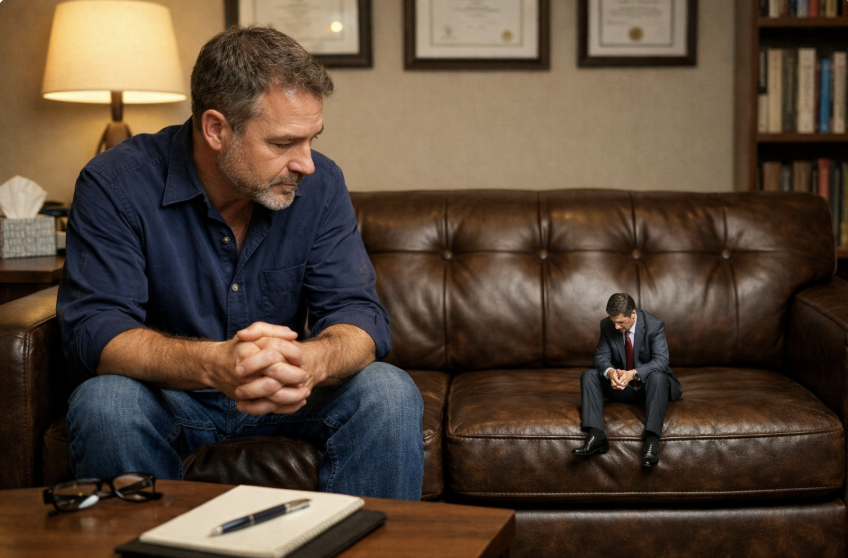
For many men, the first practical step in sexual addiction relapse prevention is entering a therapeutic environment where you can finally talk honestly without fear of judgment or exposure.
Specialized clinicians emphasize creating a safe, trusting space where you can share your sexual history, current behavior, and fears in detail. That privacy allows for a thorough assessment of obsessive compulsive patterns and underlying factors such as trauma, attachment wounds, or unresolved emotional conflicts [4].
In residential or inpatient settings, that safety is enhanced by:
- A confidential campus away from your daily environment
- Clear rules about privacy and anonymity
- Staff trained to normalize and contain intense shame
- Separation from devices or environments where you typically act out
If you are exploring higher levels of care, you can learn more about what immersive programs look like in inpatient treatment for sex addiction and does sex addiction rehab work.
Evidence based therapies that reduce relapse
Relapse prevention for sexual addiction usually combines several therapeutic approaches. Each one targets a different piece of the problem.
Cognitive behavioral therapy (CBT)
CBT is one of the most studied therapies for sexual addiction and related compulsive sexual behavior. It helps you identify the thoughts, beliefs, and emotional triggers that drive your urges and then teaches you to respond differently [5].
In practice, CBT for sexual addiction relapse prevention often includes:
- Mapping high risk situations and triggers in detail
- Challenging distorted beliefs such as “I cannot handle stress without porn”
- Building alternative coping strategies for mood, stress, and loneliness
- Creating specific behavioral contracts and accountability routines
Group CBT can be especially powerful. Studies of group administered CBT for hypersexual disorder show significant symptom improvements, partly because men experience mutual support, less isolation, and space to practice new coping skills together [5].
Psychodynamic psychotherapy
Psychodynamic work looks beneath your current behavior to long standing patterns rooted in your past. For sexual addiction relapse prevention this often means exploring family dynamics, cultural or religious messages about sex, early experiences of shame, and any history of sexual trauma [4].
This kind of therapy is not about blaming your past. It is about understanding why certain emotions or relational situations feel so threatening that you default to compulsive sex or porn. As you build that insight, you gain more choice in how you respond when those old patterns get activated.
Transactional Analysis (TA)
Transactional Analysis is another approach some programs use to increase self awareness of how you move between different “ego states” such as the internal Child, Parent, and Adult in specific situations [4].
In relapse prevention, TA can help you:
- Recognize when a vulnerable, lonely, or rebellious “part” is taking over
- Understand how shame or criticism inside your mind pushes you toward escape
- Strengthen your grounded Adult self that can choose healthier behavior even when you feel triggered
Mindfulness based relapse prevention
Mindfulness based relapse prevention teaches you to notice urges and uncomfortable emotions without automatically acting on them. Instead of trying to force urges away, you learn to observe them, ride them out, and make intentional choices [5].
This approach is particularly helpful if you:
- Feel like urges “come out of nowhere”
- Get overwhelmed quickly by stress or shame
- Have tried rigid control before and burned out
Practices might include brief daily meditation, body scanning to notice early signs of tension, and urge surfing, which is the skill of watching a craving rise and fall without acting on it.
Pharmacotherapy and integrated care
For some men, medication is part of a comprehensive relapse prevention plan. Combined pharmacotherapy and psychotherapy can reduce compulsive sexual urges while therapy addresses underlying anxiety, depression, or trauma [2].
Depending on your situation, a psychiatrist might consider:
- SSRIs, which can reduce obsessive thoughts and impulses
- Other medications that target brain circuits linked to compulsivity
If you also struggle with substances, integrated addiction treatment and medication assisted treatment for alcohol or opioids can sharply reduce overall relapse risk [3].
Creating your personalized relapse prevention plan
A strong plan is not a generic checklist. It is a living document you build with your therapist that reflects your specific triggers, behaviors, and recovery goals. High quality programs design these plans collaboratively and adjust them over time [4].
Key elements usually include:
1. Detailed trigger mapping
You work through your day, week, and history to identify:
- People, places, and times of day that increase risk
- Emotional states like boredom, stress, rejection, or success
- Digital patterns such as late night scrolling, certain apps, or unfiltered devices
Many men are surprised by how predictable their patterns actually are once they map them.
2. Clear definitions of acting out, slippery behavior, and healthy intimacy
Your plan should distinguish between:
- Non negotiable “acting out” behaviors you are committed to stop
- “Middle circle” or slippery behaviors that often lead up to relapse
- Healthy sexual expression and connection you are working toward
Spelling this out in concrete terms reduces confusion and gives you a way to track progress.
3. Step by step coping strategies
For each high risk situation, you build a practical menu of alternatives. For example, instead of secretly using porn at night, you might:
- Pre commit to a set bedtime and device curfew
- Text or call a support person before a risky window
- Have a specific grounding activity ready such as a shower, short walk, or journaling
This is where therapy tools like CBT, mindfulness, and TA get translated into daily action.
4. Accountability and monitoring
Recovery is easier when you are not doing it alone. Depending on your comfort level and stage of change, accountability might include:
- Regular sessions with a therapist who specializes in compulsive sexual behavior treatment
- A 12 step or alternative peer support group, in person or online, for shared accountability [1]
- Disclosure, when appropriate and clinically guided, to a trusted partner or family member
- In some programs, digital monitoring or filters on devices to reduce access to pornography
Monitoring tools similar to those used in substance relapse prevention, such as regular check ins and objective measures, can reinforce your commitment and catch problems earlier [3].
5. A clear response plan for slips
Instead of assuming you will never struggle again, your plan spells out exactly what you will do if you do act out:
- Who you will contact and within what time frame
- How you will log what happened and why
- Which boundaries will be temporarily tightened
- How you will recommit without spiraling into hopelessness
This approach reduces the “all or nothing” thinking that often turns a single slip into a full relapse.
A strong relapse prevention plan is not about perfection. It is about shortening the distance between a slip and a constructive, honest response.
The role of residential treatment in relapse prevention
For some men, outpatient therapy is enough. For others, especially if you have tried to stop many times without success, a residential or inpatient program gives you a more immersive reset.
In a residential setting focused on sexual addiction relapse prevention, you typically experience:
- A fully structured day that reduces unplanned, high risk downtime
- Limited or supervised access to phones and internet to interrupt compulsive patterns
- Daily individual and group therapy sessions using CBT, psychodynamic, and mindfulness based approaches
- Medical and psychiatric evaluation to address co occurring conditions like depression, ADHD, or substance use [1]
- On site relapse prevention groups where you build and practice your plan with peers
Residential programs can be especially effective for men with severe compulsive sexual behavior, complex trauma, or multiple failed outpatient attempts. If that sounds familiar, you can explore sex addiction treatment options to see how different levels of care compare.
Strengthening your support system
Sexual addiction thrives in secrecy and isolation. Long term relapse prevention depends heavily on the quality of your support.
Support does not have to mean sharing details with everyone in your life. It can be very targeted and confidential, especially in the early stages. Common components include:
- A therapist with specific experience in sexual and pornography addiction
- A small group of peers in a recovery group who understand your struggle
- In some cases, a sponsor or mentor figure who is further along in recovery
- Partners or family members, when appropriate, who are included with clear boundaries and guided communication
Peer support programs modeled on 12 step approaches, as well as non 12 step options, have been shown to provide valuable social support for relapse prevention, even if research on their superiority over other methods is still evolving [3].
If pornography is a major part of your struggle, specialized resources like a porn addiction recovery program and guides on how to stop porn addiction can give you more tailored strategies.
Addressing pornography and online behavior
The internet has made compulsive sexual behavior more accessible, more secret, and more intense, especially through high speed pornography. Adolescents and adults exposed to high levels of online porn show higher rates of conduct problems, depression, and reduced social integration, which underscores the need for targeted interventions [2].
Relapse prevention in this area often includes:
- Clear device and internet boundaries, especially during high risk times
- Filters or accountability software to limit access to explicit content
- Replacing online sexual behavior with healthier digital habits
- Addressing unrealistic expectations and distorted beliefs about sex that pornography reinforces
If you are still unsure whether your porn use counts as compulsive, reviewing the signs of porn addiction can help you evaluate your situation more clearly.
What recovery actually looks like over time
Recovery from sexual addiction typically unfolds in stages, and relapse prevention priorities shift as you move through them [5].
Early on, the focus is stabilization: stopping the most dangerous behaviors, creating immediate safety, and putting basic structure in your life. You might step into outpatient therapy or a residential program to break the cycle.
Next comes deeper work: addressing trauma, attachment wounds, and long standing emotional patterns that fuel compulsive sex or porn use. This is where therapies like psychodynamic work and TA become more central.
Finally, maintenance and growth become your focus. You continue to strengthen coping skills, protect your relapse prevention plan, and invest in healthier relationships and life goals.
Throughout all stages, ongoing engagement with specialized sex addiction therapy, support groups, and structured relapse prevention strategies is linked with better long term outcomes [5].
Taking your next step confidentially
If you are reading about sexual addiction relapse prevention privately and do not feel ready to tell anyone in your life, that is okay. Your next step can still be small and confidential.
You might choose to:
- Schedule a private consultation with a therapist who specializes in compulsive sexual behavior
- Explore more detailed information on compulsive sexual behavior treatment
- Consider whether an inpatient treatment for sex addiction level of care fits your history
- Begin outlining your own trigger map and early warning signs so you can bring something concrete to a future session
You do not have to solve everything at once. Relapse prevention is built one honest step at a time. With the right structure, support, and clinically proven techniques, you can move from secret, compulsive behavior toward a more stable, connected, and self respecting sexual life.