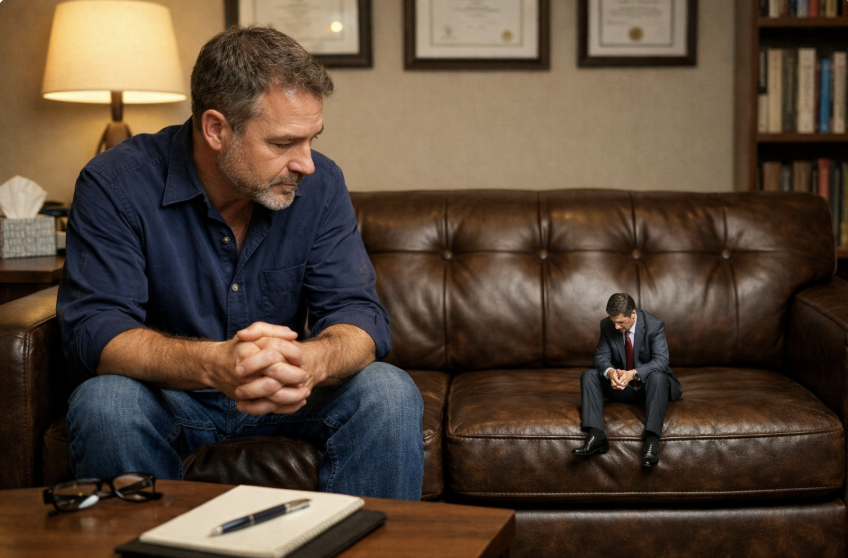

Understanding how to stop porn addiction
If you are quietly searching for how to stop porn addiction, you are not alone, and you are not broken. Porn use becomes an addiction when it no longer feels like a choice, when you keep going back despite clear harm to your relationships, work, faith, or sense of self. At that point, willpower alone usually is not enough.
Stopping porn addiction typically requires a structured plan, professional support, and a safe environment where you can be honest without fear of judgment. For many men, that starts with understanding what is actually happening in your brain and behavior, and then choosing a recovery path that respects your privacy, your dignity, and your responsibilities.
Residential recovery programs for men provide exactly that kind of private, immersive structure. Before looking at those options, it helps to understand how porn addiction works and how you can begin interrupting the cycle.
Recognizing when porn use has become addiction
You might be unsure if you are really “addicted” or just using porn more than you want. A helpful starting point is noticing patterns rather than labels. Clinicians often focus less on the content and more on the consequences.
Common signs that porn use has crossed the line into addiction include loss of control, escalating use, and continued behavior despite clear harm. Recognizing these warning signs early makes it more likely that you will get the right level of help at the right time. Many men find it helpful to review the signs of porn addiction and compare them to their own experience.
Porn use is especially likely to be considered a problem when it is linked with damaged relationships, loss of productivity, job loss, distress, or it is a contributing factor in marital separation and divorce [1]. If you recognize these kinds of impacts in your life, it is a strong signal that you would benefit from formal support.
Why willpower alone is not working
If you have tried to stop on your own, you already know the pattern. You swear it off. You uninstall apps. You feel determined. Then stress, loneliness, or a specific trigger hits and you find yourself back in the same loop.
Porn addiction usually involves:
- Habit loops that have been reinforced over years
- Brain changes linked to reward and compulsive behavior
- Using porn to cope with uncomfortable emotions rather than to seek pleasure alone
Over time, your brain learns that porn is the fastest way to get relief. When you try to “white knuckle” your way out, urges can get louder, and shame can increase when you slip. That combination of intense craving and intense shame keeps you stuck.
Therapies like cognitive behavioral therapy and acceptance and commitment therapy focus on changing your relationship to urges, emotions, and thoughts, instead of relying on raw self control. In a randomized clinical trial at Utah State University, an acceptance and commitment therapy program led to a 92 percent reduction in pornography viewing after 12 sessions, and 54 percent of participants stopped viewing completely [1]. This kind of structured approach is very different from simply trying harder on your own.
Why private, structured recovery helps men
If you are a man with a career, family, or leadership role, you may be holding two fears at once. You know your porn use is out of control, and you are also deeply afraid of anyone finding out. That tension can keep you silently searching for terms like “how to stop porn addiction” late at night without telling anyone.
A private, structured recovery plan addresses both sides of that tension. It gives you a clinically sound path out of the behavior while protecting your confidentiality and your dignity.
In a residential setting that specializes in compulsive sexual behavior treatment, you typically get:
- Separation from daily triggers and routines that keep the cycle going
- Professional assessment to understand the full picture, including co occurring substance use or mental health issues
- Daily structure, accountability, and supervision so you are not fighting this alone
- Clear privacy protections so you can speak freely without fearing exposure
Support groups that bring together people with similar struggles can provide psychosocial support and help you find more sustainable sources of comfort and pleasure [2]. In a men only environment, that support is often more direct and more relatable.
What a private residential program looks like
If you are considering inpatient treatment for sex addiction or porn addiction, it helps to know what actually happens day to day. That clarity can reduce anxiety and help you decide if this level of care matches what you need.
Initial assessment and individualized planning
Your stay usually begins with a confidential, comprehensive assessment. Clinicians will ask about:
- Your porn and sexual behavior history
- Substance use, medications, and physical health
- Mood, anxiety, trauma history, and other mental health concerns
- Relationship history and current stressors
This is not about labeling you. It is about understanding what keeps your behavior going so your treatment plan can be specific and effective. If you also struggle with substances, integrated approaches are important. People with both porn addiction and co occurring substance use disorders, such as stimulant use linked to compulsive sexual behavior, need treatment that addresses the complexity of both problems at the same time [2].
From there, the team designs a private recovery plan that may include different sex addiction treatment options, matched to your risks, strengths, and goals.
Daily structure and accountability
One of the main differences between outpatient therapy and residential care is the level of structure. Instead of trying to fit recovery into the margins of an already stressful life, you live in an environment built around healing.
Typical elements of a daily schedule can include:
- Morning check ins and goal setting
- Individual therapy sessions several times per week
- Group therapy focused on addiction, masculinity, shame, and relationships
- Educational groups on the science of addiction, boundaries, and relapse prevention
- Time for reflection, journaling, and assignments
- Carefully curated downtime and wellness activities
This kind of immersive structure gives you the repetition and containment needed to build new habits and coping skills. It also creates consistent accountability. You are no longer the only person “holding the line” against your urges.
Clinical approaches used in porn addiction treatment
High quality porn addiction and sex addiction programs rely on evidence based therapies rather than shame or moral pressure. These approaches focus on helping you understand your behavior, build new patterns, and live in line with your values again.
Cognitive behavioral therapy (CBT)
CBT helps you identify and change the negative thought patterns and behaviors that keep your addiction in place. For porn addiction, this often includes:
- Challenging all or nothing thinking, such as “I already slipped so it does not matter what I do now”
- Recognizing distorted beliefs about sex, intimacy, and your own worth
- Learning concrete skills to manage triggers, cravings, and high risk situations
Research shows that CBT can be especially effective when combined with other supports like group therapy and medical or psychiatric care as needed [3].
Acceptance and commitment therapy (ACT)
ACT takes a different angle. Instead of fighting urges directly, you learn to change how you relate to them. The Utah State clinical trial mentioned earlier used an ACT based model. Participants were taught to notice urges without immediately acting on them, and to direct their mental energy toward living their values rather than controlling every internal sensation [1].
ACT focuses on:
- Developing psychological flexibility
- Accepting that urges and uncomfortable thoughts will show up
- Committing to actions that align with your deeper values, even when it is hard
By reducing the rigid struggle with urges, ACT often lowers shame and increases your sense of control.
12 step and spiritual approaches
Some men find that including a spiritual or 12 step component is essential in their healing. Porn Addicts Anonymous (PAA) is an example of a fellowship built around a spiritual 12 step program for pornography addiction [4].
Key aspects include:
- Admitting the addiction and your need for help
- Working through the 12 steps with a sponsor
- Sharing experience, strength, and hope in meetings
- Building a fellowship where you are no longer isolated
Members of PAA report that the 12 steps have helped restore their personal lives and relationships, and the only requirement to join is a desire to stop using pornography in all its forms [4]. Many residential programs incorporate 12 step meetings or similar mutual help components as part of a broader porn addiction recovery program.
Protecting your privacy during treatment
For men in high visibility roles, privacy is not a preference. It is a requirement. Thoughtful programs design every stage of care with confidentiality in mind, including how you arrive, who is informed, and how your records are handled.
Private recovery plans typically protect you through:
- Confidential admissions processes and discreet communication
- Clear policies about who can access your information and under what circumstances
- Controlled, secure environments where devices and online access are limited or supervised
- Opportunities to process sensitive issues in individual sessions before discussing them in group
If you are married or in a committed relationship, you may eventually choose to involve your partner in parts of your treatment. Researchers recommend including significant others because so many participants in porn addiction treatment are in long term relationships, and involving partners can improve outcomes [1]. Residential programs often offer structured couple or family sessions once you are ready, still within a confidential framework.
Building a personal relapse prevention plan
Learning how to stop porn addiction is not just about getting sober inside a controlled setting. It is about staying sober when you return to your real life with its responsibilities and stressors. That is where a strong relapse prevention plan comes in.
During treatment, you will work with your team on sexual addiction relapse prevention, which usually includes:
- Identifying your personal triggers, such as isolation, work stress, late night device use, or specific emotional states
- Mapping your relapse pattern, including early warning signs like secretive behavior or rationalizing risky choices
- Creating specific, written boundaries around technology, travel, time alone, and relationships
Practical strategies often include:
- Limiting screen time and installing filters or parental controls on devices [3]
- Avoiding certain websites, apps, or social media patterns that you know are high risk
- Scheduling regular therapy or accountability meetings after discharge
- Developing replacement habits, such as exercise, hobbies, or service, that provide healthier sources of relief and satisfaction [3]
A good relapse prevention plan is detailed, realistic, and shared with at least one trusted person who can help you stay on track.
Recovery is not about becoming someone else. It is about becoming the same person, finally living in line with what matters to you most.
How private recovery addresses shame and secrecy
Shame is one of the main reasons men delay seeking help. You might believe that if anyone knew the full story, they would walk away. That belief keeps you silent, which in turn keeps the addiction in the dark where it is hardest to change.
Residential programs for porn and sex addiction are built for people who feel exactly that way. In a men focused environment, you will meet others whose stories may be different in detail but similar in pattern. You begin to realize that your behavior is part of a recognizable condition, not proof that you are uniquely defective.
Talking openly about porn addiction is a crucial step in moving through shame and into recovery. Open conversation helps replace secrecy with accurate information and support [2]. As you practice honest disclosure in a safe setting, it becomes easier to consider how and when you might share parts of your story with your partner or family in a way that is careful and respectful.
Support systems during and after treatment
Although your recovery plan is private, it is not meant to be solitary. Strong support systems are one of the most reliable predictors of long term success, especially with compulsive sexual behavior.
During residential treatment, support systems often include:
- A core clinical team that knows your history and plan
- Peer groups where you can share experiences and hold each other accountable
- Optional spiritual or 12 step communities, on site or nearby, such as PAA [4]
After discharge, ongoing support might look like:
- Regular sessions with a therapist experienced in compulsive sexual behavior treatment, which you can access via phone, video, or chat if needed [2]
- A local or online support group that fits your values and comfort level
- Carefully chosen friends or mentors who understand your boundaries and goals [3]
Building this kind of network reduces isolation and shame. It also gives you practical accountability when life gets stressful again.
Steps you can take right now
If you are not ready to reach out yet, there are still steps you can take today to move toward stopping porn addiction. These do not replace professional help, but they can help you break out of pure passivity and begin building momentum.
Consider starting with:
-
Honest self inventory
Write down when you typically use porn, for how long, and what you are usually feeling right before. This builds the self awareness that is essential for change [3]. -
Clear, specific boundaries
Decide on one or two realistic limits for this week, such as “no devices in bed” or “no internet after 10 p.m.” Simple, specific rules are more effective than vague promises. -
Reducing exposure and temptation
Use basic tools like filters, app limits, or content blockers to make acting on impulse less immediate [3]. Barriers do not solve the problem, but they buy you time to use other skills. -
Adding healthy alternatives
Choose at least one activity you can turn to when you feel the urge to escape, such as exercise, a creative project, or time with trusted people [3]. -
Exploring treatment options
Read more about when to seek help for sex addiction, does sex addiction rehab work, and the structure of a porn addiction recovery program. Understanding your options can make the next decision less overwhelming.
If what you are reading about residential or intensive care sounds like the level of help you need, it may be time to speak with a professional about inpatient treatment for sex addiction that includes porn addiction in its scope.
Moving from secrecy to a private plan
Stopping porn addiction is not about perfection or punishment. It is about reclaiming your time, your relationships, and your integrity. For many men, that starts with moving from secret, late night searches to a private, concrete recovery plan that fits the seriousness of the problem.
Professional help from a licensed therapist can be accessed in person or online, and it provides a non judgmental space to work through behaviors you want to change [2]. From there, you can decide whether outpatient therapy, a structured sex addiction treatment options pathway, or a men focused residential program best fits your situation.
You do not have to tell everyone your story to begin. You only have to be fully honest with one safe person and be willing to follow a plan. With the right structure, privacy protections, and ongoing support, long term freedom from porn addiction is possible.