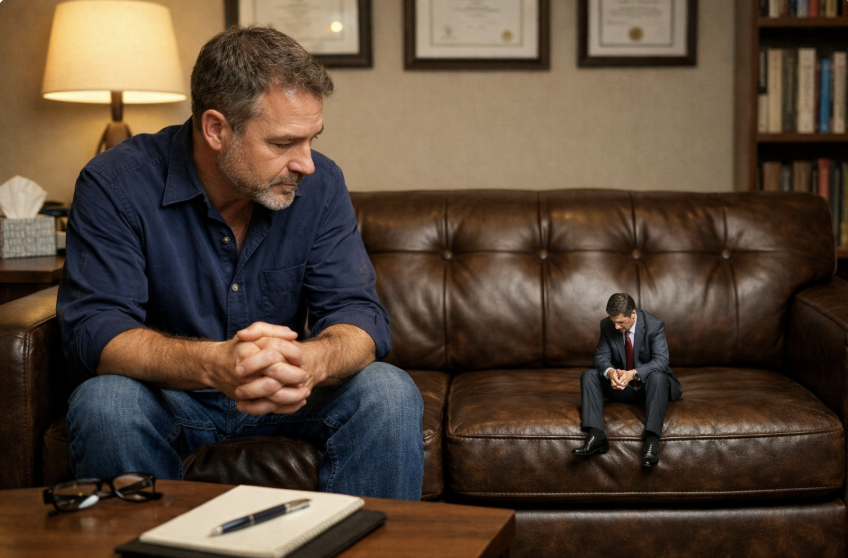
Understanding compulsive sexual behavior
When you live with compulsive sexual behavior, it can feel like part of your life is out of control, no matter how hard you try to rein it in. You might spend more time than you want looking at porn, chasing hookups, or engaging in online sexual behaviors, and you may keep going even after promising yourself you would stop. Compulsive sexual behavior treatment is designed to help you regain control in a structured, private, and clinically grounded way.
Clinically, compulsive sexual behavior is sometimes referred to as compulsive sexual behavior disorder (CSBD), hypersexuality, or sex addiction. The World Health Organization’s ICD‑11 classifies CSBD as an impulse control disorder, which means the core problem is difficulty controlling urges and behaviors in spite of consequences [1]. The American Psychiatric Association’s DSM‑5‑TR does not list CSBD as a separate diagnosis, but many clinicians diagnose and treat it as part of another condition such as an impulse control disorder or behavioral addiction [1].
What usually matters most to you is not the exact label but the impact. If your sexual behaviors are damaging your relationships, work, finances, or self respect, and if you feel unable to stop on your own, structured treatment can provide a clear and realistic path forward.
How compulsive sexual behavior shows up
Compulsive sexual behavior looks different from man to man. It does not always mean very high levels of desire. Often it is about feeling driven, stuck in a cycle of secrecy and shame, and using sex or porn to cope with stress, loneliness, or difficult emotions.
Common patterns include:
- Spending increasing time on porn, chats, or sexual content, especially at night or when alone
- Pushing your own boundaries with riskier partners or situations than you are comfortable with
- Escalating to more extreme or taboo material that you never expected to watch
- Continuing behaviors despite relationship threats, work problems, or health scares
- Trying to cut back or quit, only to return to the behavior after a few days or weeks
- Lying, hiding, or compartmentalizing your sexual life from your partner and friends
A 2025 community study found that about 10.8 percent of adults met criteria for probable CSBD, with similar rates in men and women [2]. Those with probable CSBD tended to be younger, more likely to identify as bisexual, and showed higher levels of ADHD and borderline personality symptoms, problematic social media use, and drug use than those without CSBD. They also scored higher on measures of both compulsivity and impulsivity, which supports the idea that CSBD includes both difficulty resisting urges and repetitive patterns that become hard to break [2].
If you are unsure where you stand, it can help to review early warning signs. You can explore more on recognizing patterns in yourself through resources like signs of porn addiction and when to seek help for sex addiction.
Why treatment goes beyond “stopping”
When you think about getting help, you might focus on one question: how do I stop? Stopping the behavior is important, but effective compulsive sexual behavior treatment goes deeper. It is about understanding why these patterns developed, what they are doing for you emotionally, and how to build a life where you no longer need them.
Research and clinical practice point to three realities that shape treatment:
- There are often co‑occurring conditions. Anxiety, depression, substance use, ADHD, and personality difficulties are common in men with CSBD. Many people require parallel treatment for these issues to fully stabilize [3].
- Both impulsivity and compulsivity are involved. You might feel like you “act on impulse” in the moment, but you also engage in repetitive patterns that feel ritualistic and hard to break. Treatment needs to address both fast, urge driven behavior and slow, ingrained habits.
- Shame and secrecy keep you stuck. Hiding, minimizing, and managing on your own usually deepen the problem. A confidential, structured program creates a safe place to speak plainly, get accurate feedback, and practice new behaviors without judgment.
A comprehensive approach integrates biological, psychological, and social factors, with the goal not only of reducing problem behaviors but of helping you build a healthy, sustainable sexual life and overall well‑being, without moralistic or shaming interventions [4].
Core components of effective treatment
Compulsive sexual behavior treatment typically involves a mix of psychotherapy, possible medications, and structured support. The strongest evidence currently supports talk therapy, especially cognitive behavioral approaches, as the foundation.
Psychotherapy and CBT
Psychotherapy is considered the preferred treatment for CSBD [4]. Cognitive behavioral therapy (CBT) is especially common because it targets the links between thoughts, emotions, urges, and actions.
In CBT for sex or porn compulsivity, you work on:
- Identifying distorted thinking patterns. For example, “I already messed up this week, so it does not matter what I do now” or “I cannot tolerate this level of stress unless I act out.”
- Challenging and replacing those beliefs. You learn to test your assumptions and replace them with more accurate and balanced thoughts.
- Monitoring triggers and automatic thoughts. You develop the habit of noticing what happens in your mind and body before you act out, which increases your window to choose something different.
- Scheduling healthy activities. You build a daily structure that leaves less time for compulsive behavior and more time for connection, rest, and meaningful work.
- Exposure and response prevention. In a planned, supervised way, you may be exposed to triggers or difficult feelings without acting out, which gradually reduces their grip on you [5].
CBT based programs often include psychoeducation, motivational interviewing, self regulation training, mindfulness, and relapse prevention planning as standard elements [6]. The aim is practical. You are not just talking about your history, you are actively learning new tools and putting them into practice between sessions.
Medications as support, not a cure
There is no single “sex addiction pill,” and most medications used in CSBD are prescribed off label. However, certain medicines can reduce the intensity of urges and obsessive thoughts, especially in moderate to severe cases.
Common options include:
- SSRIs (selective serotonin reuptake inhibitors). These antidepressants often dampen obsessive thinking and can reduce sexual preoccupation. They are considered a first line pharmacologic option in some reviews [7].
- Naltrexone. This opioid antagonist can blunt the reward response you get from compulsive behaviors, which may reduce cravings. It is another recommended option in some treatment frameworks [7].
A 2022 randomized controlled trial found that both paroxetine, an SSRI, and naltrexone significantly reduced CSBD symptoms over 20 weeks compared with placebo in a sample of heterosexual men [4]. Based on current evidence, the World Federation of Societies of Biological Psychiatry suggests a stepped approach: psychotherapy alone for mild CSBD, adding an SSRI or naltrexone for moderate severity, and combining both medications for severe cases [4].
It is important to know that the research base is still limited, with many medication studies being case reports rather than large trials, and more work is needed to refine pharmacologic strategies [4]. Medication, if used, is usually combined with therapy and broader lifestyle changes.
Self help groups and peer support
For many men, recovery includes connection with others who understand the struggle from the inside. Self help and peer groups provide ongoing accountability and a place to talk about slips and successes without having to protect your image.
Groups may be in person or online, secular or spiritually oriented. Some focus on sex and relationship issues broadly, while others are specific to pornography or a particular behavior. A residential program may introduce you to these communities and help you find meetings that fit your beliefs and schedule once you leave.
Why men choose residential treatment
You might be wondering whether you really need a residential program, or if outpatient therapy and self help resources are enough. For some men, outpatient support is sufficient. For many others, especially when the behavior feels entrenched, intensive residential compulsive sexual behavior treatment offers advantages that are hard to create on your own.
Immersive, structured environment
Residential treatment takes you out of your usual environment for a period of time so you can focus on healing without constant access to triggers. Days are structured with therapy, groups, education, and guided downtime. You are not trying to fit recovery into the margins of an already packed schedule.
This structure helps you:
- Interrupt and stabilize destructive patterns
- Reset sleep, nutrition, and daily rhythm
- Practice new coping skills before returning to normal stresses
- Receive immediate support when urges or strong emotions arise
For many men, living on site also reduces opportunities for secret acting out and gives you a period of genuine abstinence from problem behaviors, which can clarify your thinking and emotions.
Privacy and confidentiality
If you are researching treatment quietly, you likely have serious privacy concerns. Reputable inpatient programs treat confidentiality as a clinical and ethical priority. Staff are trained to protect your privacy, and your participation is not disclosed to employers, family, or partners without your explicit consent, except where safety laws require it.
Residential programs for men with sexual and pornography issues also understand the level of shame that often comes with this territory. The goal is not exposure or confrontation but careful, paced disclosure that respects your boundaries while helping you step out of secrecy.
Male focused, non moralistic care
A men’s residential setting allows you to talk openly about masculinity, performance pressures, sexual expectations, and early experiences in an environment of peers who share similar struggles. Treatment teams who work specifically with men’s sexual and porn compulsivity are experienced with:
- Double lives and compartmentalization
- Conflicts between values and behavior
- The impact of cultural messages about men and sex
- The tension between high performance careers and hidden behavior
Clinically sound programs avoid moralizing or shaming approaches. Instead, they focus on your health, safety, relationships, and your own values. You are not judged for your past. You are supported in choosing what kind of man you want to be going forward.
If you want a deeper look at residential care, you can explore inpatient treatment for sex addiction and related sex addiction treatment options.
What you can expect in a men’s residential program
While details differ from one center to another, most residential programs for compulsive sexual behavior share core elements. Knowing what to expect can ease some of the anxiety of reaching out.
Assessment and individualized planning
Your stay usually begins with a confidential assessment that looks at:
- Your sexual behavior history, including escalation and attempts to stop
- Co‑occurring issues such as substance use, depression, anxiety, ADHD, or trauma
- Medical and psychiatric history
- Relationship status and current stressors
From there, the clinical team creates a plan that may include individual therapy, group therapy, trauma work where indicated, family or couples sessions if appropriate, and a step by step relapse prevention strategy.
Daily therapeutic structure
A typical day may include:
- Individual sessions. One on one work with a therapist to address personal history, thought patterns, and specific behaviors.
- Process groups. Facilitated groups where you can share your story, watch others do the same, and receive feedback.
- Psychoeducation. Classes on brain science of addiction, impulse control, attachment, and healthy sexuality.
- Skills training. Practical training in coping skills, mindfulness, emotional regulation, and boundary setting.
- Wellness activities. Exercise, time outdoors, creative practices, and rest, all of which support nervous system stability.
Many programs also integrate trauma informed therapies when there is a history of abuse, neglect, or significant relational trauma that intersects with sexual behavior.
Accountability systems without humiliation
Effective programs use accountability thoughtfully. The aim is to help you become honest with yourself and others, not to punish you. This might include:
- Clear behavioral boundaries during your stay
- Regular check ins about urges, fantasies, and dreams
- Support if you experience slips or strong triggers, without public shaming
These systems can feel intense if you are used to secrecy, but they often become one of the most valued parts of treatment because they give you a new experience of being fully seen and still respected.
Relapse prevention and life after treatment
Residential treatment is a starting point, not the finish line. A major focus of quality programs is preparing you for life after you leave, so that you are not simply “white knuckling” your way through daily triggers.
Building a realistic relapse prevention plan
Relapse prevention is more than promising you will not act out again. It involves:
- Identifying your highest risk situations, emotions, and relationship patterns
- Mapping out your earliest warning signs, often before there is an obvious urge
- Creating specific action plans for what you will do in those moments
- Setting up gradual exposure to triggers in real life, with support, so you gain confidence
CBT based approaches treat lapses as information, not final failure. Instead of collapsing into shame, you are taught to analyze what happened and adjust your plan, which strengthens long term recovery [5]. You can learn more about this mindset and practical tools through resources like sexual addiction relapse prevention.
Continuing care and support network
Before discharge, you and your team typically put concrete supports in place. These often include:
- Outpatient individual therapy with a clinician who understands CSBD
- Group counseling or intensive outpatient programming if needed
- Self help or peer support meetings
- Agreements with trusted people in your life about technology, travel, or money if those are risk areas
- Ongoing check ins with the residential team where available
If pornography has been a primary problem, programs may also connect you with a structured porn addiction recovery program or resources on how to stop porn addiction so that you can keep working specifically on those patterns.
Deciding if residential treatment is right for you
You might not feel ready to tell anyone in your life what is going on. That is common. You can still consider whether the intensity and privacy of a residential setting match what you need.
Questions to ask yourself include:
- Have my attempts to control this on my own repeatedly failed, despite serious consequences?
- Am I hiding so much that my day to day life feels split in two?
- Do I escalate into riskier or more extreme behaviors when stressed or alone?
- Do I use alcohol or drugs alongside sexual behavior to cope or intensify the experience?
- Do I feel frightened by how little control I sometimes have over my actions?
If you answer yes to several of these, a higher level of care is worth exploring. You can also review information on does sex addiction rehab work to get a sense of outcomes and what helps men sustain change.
Taking the next step privately
If you are reading this while feeling exposed, remember that seeking compulsive sexual behavior treatment is not a confession of being broken. It is a decision to take your mental health, relationships, and future seriously.
You can start quietly. That might mean:
- Scheduling a confidential evaluation with a therapist who specializes in sexual and pornography issues
- Calling a residential center from a private line simply to ask questions, without committing
- Reading more about your options through sex addiction treatment options and related resources on this site
Whatever you choose, you do not have to keep living in a cycle that feels unmanageable. With the right mix of therapy, structure, accountability, and medical support where needed, many men move from secrecy and shame into a life they recognize as their own again. A clear path forward exists, and you are allowed to take it at your own pace.