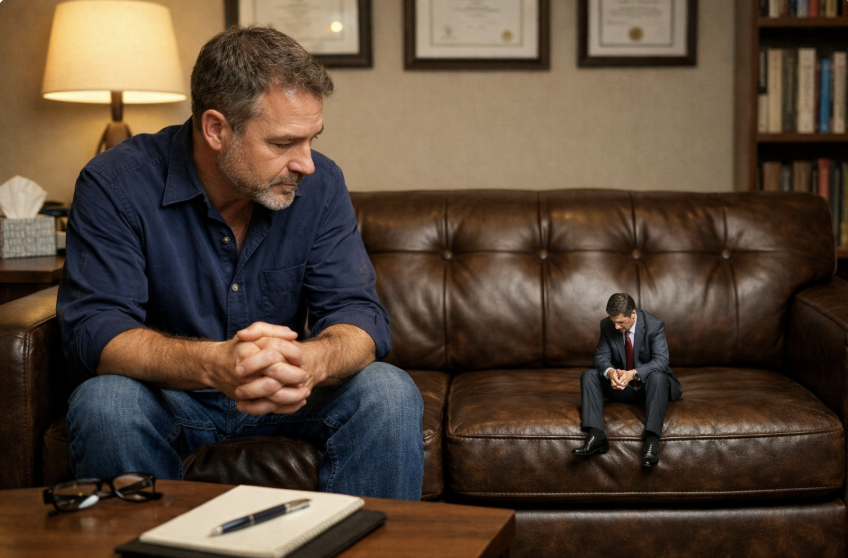

Understanding mental health rehab for men
When you live with both a substance use disorder and a mental health condition, it can feel like nothing you try really works. You may get help for depression or anxiety, but your drinking or drug use pulls you backward. Or you stop using substances, but unmanaged trauma, anger, or mood swings lead you right back to old patterns.
Mental health rehab is designed to interrupt that cycle. In a structured, men’s-only residential setting, you receive intensive psychiatric care and addiction treatment at the same time. This integrated approach is often called dual diagnosis rehab, and it gives you a realistic path toward lasting healing instead of short-term fixes.
In mental health rehab, you step away from daily stressors and into a safe environment where your symptoms, behaviors, and relationships are taken seriously. You are not expected to “just push through.” Instead, a full clinical team focuses on stabilizing you, understanding what you have been carrying, and building a plan that actually fits your life as a man.
Why dual diagnosis treatment matters
If you live with both a substance use disorder and a mental health condition, treating only one side of the problem rarely works. This is where dual diagnosis treatment becomes critical.
How addiction and mental health interact
Alcohol and drugs are often used as a way to cope with:
- Depressed mood or hopelessness
- Anxiety or panic
- Unresolved trauma or grief
- Racing thoughts or mood swings
- Shame, anger, or fear of failure
In the short term, substances can numb or distract you from these experiences. Over time, they usually make your mental health worse. You may notice:
- More severe depression after a binge
- Intense anxiety or paranoia during withdrawal
- Increased irritability, anger, or risk taking
- Sleep problems that fuel mood instability
If you only address the addiction, the untreated mental health symptoms remain. If you only address the mental health condition, active substance use keeps disrupting the progress you try to make. Dual diagnosis treatment brings both into focus so you are not fighting with one arm tied behind your back.
The clinical advantage of integrated care
In a dual diagnosis mental health rehab, your treatment team understands how psychiatric symptoms and substance use affect each other. This has important benefits for you:
- Medication decisions are made with your substance use history in mind
- Detox is coordinated with psychiatric stabilization
- Therapists work on both relapse triggers and emotional patterns
- Safety planning covers self harm, overdose risk, and impulsive behavior
Instead of being passed between separate programs, you receive coordinated care in one setting. This integrated approach is a key reason many men experience their first real sense of stability in a residential mental health treatment center.
What you can expect in a men’s mental health rehab
Walking into treatment can feel unpredictable. Knowing what to expect helps you decide if this step is right for you.
Safe, structured residential environment
In a men’s-only residential mental health treatment program, you live on site with a small group of other men who are also working through co occurring disorders. The structure is intentional. Your days usually include:
- Set wake and sleep times
- Scheduled therapy and psychiatric appointments
- Group sessions and skills workshops
- Medication checks and medical monitoring
- Time for reflection, recreation, and rest
This steady routine provides a foundation when everything inside you feels unsteady. You do not have to manage work, family, and crisis all at once. Instead, you focus on healing in an environment designed for stabilization and growth.
Comprehensive psychiatric assessment and stabilization
From the beginning, you receive a detailed psychiatric evaluation. You and your team look at:
- Current symptoms, such as depression, anxiety, hallucinations, or mood swings
- Past diagnoses and what did or did not help
- Substance use history, amounts, and patterns
- Trauma history and major life events
- Medical conditions, sleep patterns, and family history
This assessment guides your treatment plan. If needed, you may start in a higher level of inpatient mental health treatment focused on acute stabilization, then shift into longer term rehab work.
Your team adjusts medications, monitors side effects, and tracks changes in your mood, thinking, and energy. The goal is not to simply “medicate you into silence.” The goal is to help your brain settle enough that you can think clearly, participate in therapy, and start to feel like yourself again.
Medication management that supports your recovery
For many men with co occurring disorders, medication is a crucial part of healing. When it is approached thoughtfully, it can reduce symptoms, lower cravings, and help you engage more fully in treatment.
Individualized medication planning
Medication management in mental health rehab is more than handing you pills. Your psychiatric provider:
- Reviews what you have taken in the past and how you responded
- Considers interactions with alcohol or drugs you may have used
- Selects medications that fit your diagnosis and safety needs
- Starts with careful dosing and close monitoring
You are encouraged to ask questions and share concerns. If you have felt overmedicated, ignored, or dismissed before, this is a chance to have a different experience. Your feedback shapes how your medication plan evolves.
Coordinating meds with addiction treatment
Designing a medication plan while you are in psychiatric rehab and addiction treatment at the same time offers several advantages:
- Providers can see how your symptoms change as substances leave your system
- Medications are chosen with relapse prevention in mind
- You can explore options for medication assisted treatment if appropriate
- Sleep, energy, and concentration are supported so you can participate fully in therapy
Rather than using substances to self medicate, you start to rely on safer, clinically guided tools that reduce the need to numb out.
Trauma and identity work in a men’s setting
Many men arrive in mental health rehab carrying unprocessed trauma. This might include childhood abuse, combat exposure, accidents, medical trauma, or the quieter trauma of years of emotional neglect and shame. Untreated trauma often shows up as anger, withdrawal, hyper independence, or chronic substance use.
Addressing trauma without overwhelming you
In a residential men’s program, trauma work is paced carefully. Your team first focuses on:
- Safety, sobriety, and stabilization
- Grounding skills to manage flashbacks or panic
- Building trust with your therapist and peers
Only when you are more stable do you gradually begin to process traumatic experiences. This may involve evidence based trauma therapies, body based work, and specific strategies for managing triggers. You are not pushed to revisit everything at once. The emphasis is on tolerable, sustainable progress.
Exploring masculinity, shame, and identity
Many men have learned to survive by shutting down their emotional life. You may have been taught to:
- Never ask for help
- Prove your worth through work, money, or achievement
- Handle pain alone
- Turn anger outward and sadness inward
Mental health rehab gives you space to question these messages. In identity focused therapy and men’s groups, you can explore:
- How masculinity has been defined in your family and culture
- The cost of always being “the strong one”
- The ways shame has driven secrecy, lying, or addiction
- What kind of man you actually want to be
As you redefine identity on your own terms, recovery stops being about “fixing what is wrong with you” and becomes more about building a life that fits who you really are.
Learning to regulate anger and strong emotions
Anger is a common and often misunderstood part of co occurring disorders. You may feel like you go from zero to one hundred in seconds, or you may stuff everything down until it explodes in one big outburst. Both patterns can damage relationships, work, and your own sense of self respect.
Understanding the function of anger
In treatment, you explore what your anger is protecting. Often it covers:
- Fear of being rejected or humiliated
- Feelings of helplessness or vulnerability
- Old wounds from childhood or past relationships
- Deep exhaustion and resentment
When you understand what is underneath the anger, you gain more choice in how you respond. Instead of automatically lashing out or using substances, you have other options.
Practical skills for emotional regulation
You learn specific tools to handle intense feelings without losing control. These can include:
- Breathing and grounding practices to slow your nervous system
- Communication skills that help you express needs without aggression
- Body based techniques to release tension safely
- Cognitive strategies to challenge all or nothing thinking
You practice these skills in real time, in group settings and with staff support. This is one of the advantages of living in a structured residential environment. You do not just talk about anger in theory. You work with it as it shows up in your daily interactions.
The structure of inpatient psychiatric and addiction rehab
A men’s dual diagnosis program blends elements of inpatient mental health treatment and addiction rehab. The structure is intentional and designed to support your progress.
Daily therapeutic activities
Your schedule may include a mix of:
- Individual therapy, where you work closely with a primary therapist
- Psychiatric sessions for medication and symptom management
- Group therapy focused on relapse prevention, coping skills, and relationships
- Psychoeducation about mental health, addiction, and the brain
- Peer support groups, where you connect with other men facing similar challenges
You are not left to figure things out alone. Staff are present throughout the day and night to support you, monitor safety, and guide you through difficult moments.
Balancing intensity and rest
Effective rehab respects your limits. While the program is structured, there is also room for:
- Downtime to process what comes up in therapy
- Physical activity that fits your abilities
- Healthy meals and regular sleep
- Quiet spaces for reflection or spiritual practice if that is part of your life
This balance helps you build a sustainable rhythm that you can carry forward after discharge.
In dual diagnosis mental health rehab, the structure is not meant to control you. It exists so you can experience what stability feels like, sometimes for the first time in years.
How a men’s-only environment supports your healing
A gender specific setting is not about excluding others. It is about creating a space where you feel safe enough to be honest about your experience as a man.
Shared experience and camaraderie
When you are surrounded by other men who are also working through depression, anxiety, trauma, and addiction, you are less likely to feel alone or defective. You may recognize your own story in someone else’s words. This can:
- Reduce shame and isolation
- Increase your willingness to open up
- Provide real examples of recovery in progress
Camaraderie develops as you go through detox, therapy, and daily life together. You learn to support others and to receive support, which can be a new experience if you have spent years in survival mode.
Space to talk about men’s issues directly
In a men’s-only setting, you can discuss topics that are often harder to bring up elsewhere, such as:
- Sexual performance fears and intimacy struggles
- Fatherhood, divorce, or estrangement from children
- Work related stress, success, and failure
- Aggression, control, and vulnerability
These conversations help you see how societal expectations and personal history have shaped your choices. From there, you can begin to practice new ways of relating that are more honest and less driven by fear or pride.
Planning for lasting healing after rehab
Mental health rehab is a powerful step, but it is not the final destination. To support lasting healing, you and your team create a detailed plan for what comes next.
Discharge and step down planning
Before you leave residential care, your team helps you map out:
- Ongoing outpatient therapy and psychiatry
- Support groups or recovery communities in your area
- Medication follow up and refill plans
- Sober housing or supportive living if needed
- Clear strategies for handling triggers and setbacks
This plan is tailored to your life and responsibilities. If you are returning to work, school, or family care, your team helps you think through realistic adjustments rather than expecting perfection.
Building a long term support system
Lasting healing is less about willpower and more about support. As you complete residential treatment, you are encouraged to:
- Identify a small group of people who truly understand your journey
- Stay connected with recovery groups or alumni networks
- Maintain honest communication with your providers
- Use early warning signs to ask for help before a crisis develops
You leave with skills, insight, and a clearer sense of who you are. You also leave with the understanding that reaching out for help is a strength, not a failure.
Deciding if mental health rehab is right for you
You may be wondering whether your situation is “serious enough” to need residential care. It is worth considering mental health rehab if:
- You have tried outpatient therapy or rehab and keep relapsing
- Your mood, anxiety, or thoughts feel unmanageable or unsafe
- You use substances to get through most days or nights
- Anger, conflict, or withdrawal are damaging important relationships
- You feel stuck between different diagnoses and quick fixes
If you recognize yourself in any of these, a men’s dual diagnosis program can offer a more complete kind of help. In a structured, supportive environment, you address addiction and mental health together, work through trauma and identity, and learn concrete skills to manage anger and strong emotions.
You do not have to keep cycling between short term solutions. With the right level of care and an integrated approach, lasting healing becomes a realistic possibility for you.