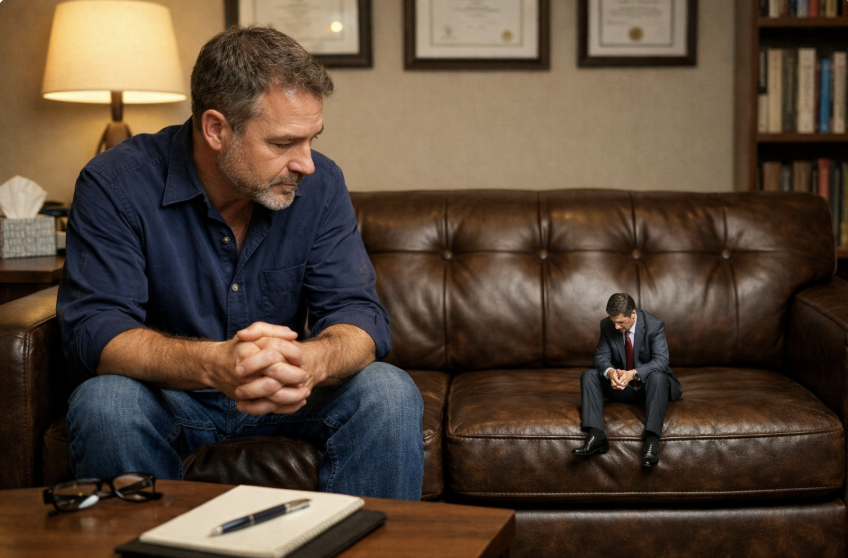

Understanding dual diagnosis rehab
If you live with both a substance use disorder and a mental health condition, you are not alone. Many men use alcohol, drugs, or prescription medications to manage symptoms of depression, anxiety, trauma, bipolar disorder, or other psychiatric issues. Over time, those coping strategies stop working, and the substance use starts to make your mental health worse. Dual diagnosis rehab is designed specifically for this combination.
In a dual diagnosis rehab program, your addiction and your mental health are treated together, in one coordinated plan. Instead of bouncing between providers who each focus on only part of the picture, you receive integrated psychiatric care, structured addiction treatment, and support that recognizes how closely these issues are connected in your life.
For many men, the structure and safety of inpatient mental health treatment or residential mental health treatment provide the stability needed to begin this deeper work. When your environment is predictable and your medical and psychiatric needs are monitored, you have more energy and focus for recovery.
Why co-occurring disorders are so complex
When you have a dual diagnosis, substance use and mental health symptoms feed into each other. This can make you feel stuck, even if you have tried to stop using or get help in the past.
The cycle between substances and symptoms
You might recognize some of these patterns:
- You drink or use to calm racing thoughts, anger, or intrusive memories.
- Your mood crashes after using, which increases depression or anxiety.
- Sleep problems, paranoia, or agitation increase with certain substances.
- Withdrawal makes your psychiatric symptoms feel unbearable.
Over time, it becomes difficult to know where the addiction stops and the mental health condition begins. You may wonder whether you are an angry person, a depressed person, or just someone who cannot handle life. Dual diagnosis rehab helps you untangle these questions by stabilizing both areas at the same time.
How men experience dual diagnosis
Men often carry expectations to be strong, self-reliant, and in control. You may have been taught to keep your feelings to yourself and “push through” stress, grief, or trauma. When that is your starting point, asking for help can feel like weakness instead of wisdom.
These pressures can lead to:
- Minimizing or hiding symptoms
- Using work, substances, or isolation to cope
- Explosive anger after long periods of holding everything in
- Shame about not “handling it on your own”
A men’s-only dual diagnosis rehab acknowledges these realities. You are surrounded by peers who understand what it means to be a man under pressure, navigating family roles, work demands, and unresolved pain. That shared experience can make it easier to be honest, which is essential for real change.
How dual diagnosis rehab actually helps you
If you have tried treatment before without lasting results, you might question what will be different this time. The difference in dual diagnosis rehab is that all parts of your care are designed to work together. Addiction treatment, psychiatric support, and daily structure are not separate tracks. They are pieces of one coordinated approach to your health.
Integrated psychiatric and addiction care
In a comprehensive dual diagnosis program, you work with a multidisciplinary clinical team. This might include:
- Psychiatrists who diagnose and treat mental health conditions
- Addiction medicine providers who oversee detox and cravings management
- Therapists who specialize in trauma and identity issues
- Group facilitators who understand men’s specific challenges
- Nursing staff who monitor your safety and physical health
Your treatment plan addresses both sides of your diagnosis. When your mood swings, sleep, or anxiety shift, that information is used to guide addiction treatment decisions. When your cravings or withdrawal symptoms change, your psychiatric care is adjusted to support you. You are not treated as two separate problems but as one whole person.
If you are unsure whether you need a more psychiatric focus, you can learn more about how a dedicated psychiatric rehab setting works alongside addiction treatment.
Medication management that supports stability
For many men, medication is an important part of stabilizing mood, anxiety, or thought patterns. In dual diagnosis rehab, medication management is not an afterthought. It is woven into your daily care.
This can include:
- Careful assessment of your current medications and substance use
- Monitoring how new medications affect your cravings, energy, and focus
- Adjusting doses to reduce side effects that could trigger relapse
- Education about what each medication is targeting and how it helps you
The goal is not to medicate away your personality or your feelings. The goal is to reduce the intensity of symptoms so you can think clearly, participate in therapy, and practice new coping skills. When your psychiatric symptoms are better managed, you can focus more fully on building a solid recovery from substances.
Trauma work and unresolved experiences
Many men living with dual diagnosis have histories of trauma. This might include childhood neglect, emotional or physical abuse, combat experiences, accidents, sudden loss, or chronic exposure to stress and danger. Sometimes trauma looks obvious. Other times it is quieter, like always feeling unsafe, unseen, or responsible for everything.
Dual diagnosis rehab gives you space to begin addressing these experiences safely and gradually. Trauma-focused therapies can help you:
- Understand how past events still shape your reactions today
- Decrease flashbacks, nightmares, and hypervigilance
- Replace avoidance or numbing with healthier coping strategies
- Reduce the shame or self-blame that often accompanies trauma
You are not pushed to tell your entire story before you are ready. Instead, you work at a pace that respects your nervous system, while still moving toward healing that supports long-term recovery.
Regulating anger without losing your voice
Anger is a common challenge for men in dual diagnosis rehab. You might see anger as the only safe emotion, or you may fear it because of what you have seen it do in your life or family. Substance use often increases impulsive anger or numbs it temporarily, which can lead to damaging cycles in relationships and at work.
A strong program does not ask you to shut down your anger. It helps you understand it and use it differently.
Understanding what sits beneath your anger
In treatment, you explore what anger is protecting. Often, it covers:
- Fear of being rejected, humiliated, or abandoned
- Grief that has never been expressed
- Feelings of powerlessness or betrayal
- Long-standing shame and self-criticism
When you begin to recognize these underlying emotions, anger starts to make more sense. It becomes information, not just a problem. From there, you can work on how to express it without harming yourself or others.
Practical tools for anger regulation
You are taught concrete skills to manage intense emotions in the moment, such as:
- Grounding techniques to bring your body out of “fight or flight”
- Communication strategies for setting boundaries without attacking
- Ways to step away before situations escalate
- Routines that lower your baseline stress level over time
These are not theoretical ideas. You practice them daily in a structured environment, get feedback, and refine what works for you. Over time, you build confidence that you can feel powerful and assertive without needing substances or explosive reactions to protect yourself.
Identity-focused therapy for men
When you live with a dual diagnosis, it can be easy to lose track of who you are apart from your symptoms, your history, and your substance use. You may have built an identity around being the “strong one,” the provider, the problem-solver, or the one who does not need help. Or you may feel like you have no idea who you are without the substance you have been using.
Identity-focused therapy gives you space to explore these questions openly.
Exploring masculinity and expectations
In a men’s-only environment, you can look at how ideas about masculinity have shaped your choices, relationships, and willingness to seek help. This might involve examining:
- Messages you received about men and emotions while growing up
- How you have defined success, strength, and failure
- The roles you have taken on in your family, workplace, or community
- How those roles have supported you and where they have harmed you
This work is not about criticizing men or masculinity. It is about helping you choose which parts of your identity you want to keep and which you are ready to release. That clarity can reduce internal conflict and support more consistent recovery decisions.
Rebuilding a sense of self in recovery
As you progress through dual diagnosis rehab, you begin to see yourself as more than a diagnosis or an addiction. Therapy and group work can help you:
- Identify values that truly matter to you
- Recognize strengths that have helped you survive, even when you were struggling
- Imagine a life that feels more aligned with who you are becoming
- Develop a realistic plan for living those values after discharge
This identity work continues beyond residential care, but the foundation you build inside a structured program can make it easier to stay grounded when you return to everyday responsibilities and stress.
Why a structured residential environment matters
Trying to manage a dual diagnosis while staying in the same environment where you have been using can feel nearly impossible. Triggers, stressors, and old patterns are everywhere. A residential setting creates distance from those pressures for a period of time, which gives you room to reset.
The stabilizing role of routine
In dual diagnosis rehab, your days follow a consistent, predictable structure. This often includes:
- Set wake and sleep times
- Scheduled individual and group therapy
- Regular check-ins with psychiatric and medical staff
- Time for exercise, reflection, and skill-building
- Supervised medications and symptom monitoring
This consistency calms your nervous system and helps your brain and body begin to trust that you are safe. When you know what to expect each day, you spend less energy on basic survival and more on learning, healing, and planning for the future.
Safety for psychiatric and addiction crises
In a men’s-only mental health rehab that specializes in dual diagnosis, staff are trained to respond to both psychiatric and addiction-related crises. If you experience severe mood swings, panic, suicidal thoughts, psychosis, or intense cravings, you are not left to manage them alone.
You have access to:
- Immediate clinical support in moments of crisis
- Adjustments to your psychiatric or addiction medications when needed
- A safe environment that reduces opportunities to relapse impulsively
- Staff who understand how quickly symptoms can shift during early recovery
For many men, this level of support transforms what would have been another relapse or hospitalization into a learning moment that strengthens long-term resilience.
How dual diagnosis rehab prepares you for life after treatment
Residential care is temporary by design. The goal is not to keep you in treatment forever but to help you build the skills, insight, and support you need to live more steadily once you leave.
Building a realistic aftercare plan
Toward the end of your stay, you work with your treatment team to create a detailed aftercare plan. This may involve:
- Ongoing outpatient therapy or intensive outpatient programs
- Continued psychiatric care and medication management
- Support groups or peer recovery communities
- Strategies for handling high-risk people, places, and situations
- Plans for maintaining structure in your daily life
If you need continued residential-level support, your team can help you explore appropriate step-down options within a mental health treatment center that fits your needs.
Strengthening your support network
You do not leave treatment alone. Throughout your stay, you build relationships with peers and staff who understand what you have been working through. You may also have opportunities to involve family or significant others in education and therapy sessions, when appropriate and safe.
These connections can:
- Reduce isolation and secrecy
- Provide accountability for your recovery goals
- Offer perspective when your thinking starts to drift back toward old patterns
- Remind you of the progress you have made when you start to doubt yourself
By the time you complete dual diagnosis rehab, you have more than just insight into your problems. You have practice living differently, with people in your corner and a clear plan for what comes next.
Deciding if dual diagnosis rehab is right for you
Only you can decide when you are ready for this level of support. It may be time to consider dual diagnosis rehab if you recognize patterns such as:
- Repeated relapses despite genuine efforts to quit
- Worsening depression, anxiety, mood swings, or psychotic symptoms
- Using substances to manage anger, sleep, or panic
- Hospitalizations or legal problems related to your symptoms or use
- Strained relationships, lost jobs, or isolation because of your behavior
If these experiences sound familiar, you do not have to keep managing them alone. A men’s-only residential program that specializes in dual diagnosis is designed for exactly this combination of challenges.
Taking the step into treatment can feel uncomfortable, especially if you are used to carrying everything yourself. It is also a clear decision to give yourself a different kind of chance. In a structured, integrated environment, you can address your addiction and your mental health at the same time, work through trauma and anger, and begin to rebuild a life that is grounded in who you truly are, not just what you have survived.