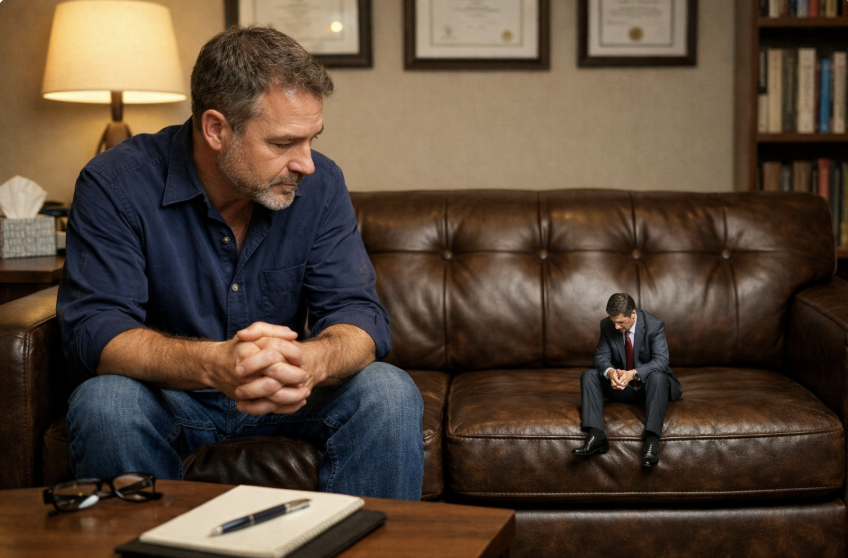

What a residential PTSD rehab program actually is
If you live with posttraumatic stress, severe anxiety, and substance use, you may reach a point where outpatient care is not enough. A residential PTSD rehab program gives you 24/7 structure and support in a live‑in setting so you can step away from daily triggers and focus fully on stabilization and recovery.
In this type of program you stay on site, typically for 30 to 90 days, and your days are organized around trauma‑focused therapy, skills training, medical care, and recovery work. Residential or inpatient PTSD treatment usually includes room and board, individual and group therapy, medication management, case management, and holistic therapies in a secure therapeutic environment [1].
For men who also struggle with alcohol or drug use, a dual diagnosis residential setting addresses both your trauma symptoms and your substance use at the same time. This integrated approach is essential if you want lasting change instead of short‑lived symptom relief.
How trauma and addiction reinforce each other
If you are considering a residential PTSD rehab program, you may already suspect that your trauma and substance use are connected. Research and clinical experience strongly support that link.
Trauma can disrupt your nervous system, sleep, mood, and sense of safety. Substances can feel like the fastest way to blunt flashbacks, panic, or intrusive memories. Over time, using alcohol, prescription medications, or illicit drugs to self‑medicate becomes its own problem and can actually make PTSD worse. To learn more about this connection, you can explore how can trauma cause addiction.
In residential dual diagnosis care, your team looks closely at how your PTSD, anxiety, and substance use interact. You work on both at the same time instead of treating one first and hoping the other will wait. This is especially important if you have:
- Frequent nightmares, flashbacks, or intrusive images
- Panic attacks or severe anxiety that you manage with substances
- Avoidance of places, people, or feelings that remind you of trauma
- Irritability, anger, or emotional numbing
- Difficulty maintaining work, school, or relationships
A specialized ptsd and addiction treatment options plan helps you break the cycle of using substances to cope with trauma and then feeling more out of control afterward.
Why inpatient care can be life changing
Not everyone with PTSD needs residential treatment. However, there are times when immersive inpatient care is the safest and most effective option. A structured, 24/7 environment removes constant decisions and triggers so you can stabilize and start to rebuild.
Residential or inpatient PTSD programs provide a safe, structured environment that allows you to focus fully on recovery away from everyday distractions and triggers [1]. Trauma residential treatment centers offer 24/7 support to help manage symptoms like nightmares, flashbacks, and panic attacks at any time, which can prevent crises [2].
You might especially benefit from a residential PTSD rehab program if you recognize several signs you need inpatient mental health treatment, such as:
- Feeling unsafe with yourself or others
- Being unable to manage daily responsibilities due to symptoms
- Using substances heavily to get through the day or to sleep
- Experiencing intense mood swings, rage, or emotional shutdown
- Finding that outpatient therapy has not been enough
In this setting, you are not expected to hold everything together. You are given space, structure, and continuous monitoring so you can do deeper work safely.
What trauma‑informed rehab really means
A high quality residential PTSD rehab program does not just expose you to painful memories and hope you cope. It uses a trauma‑informed model, which means every part of care is designed to prioritize emotional and physical safety, trust, empowerment, and collaboration to avoid retraumatization during treatment [3].
In practice, trauma‑informed rehab focuses on:
- Safety. Staff are trained to recognize triggers, respond calmly, and create predictable routines.
- Choice. You are involved in treatment decisions instead of having everything done to you.
- Collaboration. You work with your team as a partner in your own recovery.
- Empowerment. You build skills and strengths, rather than only revisiting what went wrong.
Many residential trauma programs use therapies such as Cognitive Behavioral Therapy (CBT), Prolonged Exposure (PE), Cognitive Processing Therapy (CPT), and Eye Movement Desensitization and Reprocessing (EMDR) to process trauma and reduce PTSD symptoms [3].
If you want to understand more about how this model works in practice, you can read about how trauma informed rehab works.
Inside a typical day in residential PTSD treatment
One of the biggest benefits of a residential PTSD rehab program is the structured daily routine. After trauma, everyday decisions and unpredictability can be overwhelming. A consistent schedule helps you feel safer and more grounded so you can focus on healing instead of managing chaos [3].
While every program is different, your day might look something like this:
| Time of day | Focus of care | Examples |
|---|---|---|
| Morning | Grounding and skills | Mindfulness, stretching, skills group, psychoeducation |
| Midday | Trauma and addiction work | Individual therapy, EMDR, CBT, or CPT, relapse prevention group |
| Afternoon | Processing and practice | Small groups, experiential or holistic therapies, exercise |
| Evening | Recovery and reflection | 12‑step or peer support, journaling, relaxation, lights‑out routine |
Structured schedules help you practice self‑care, stay on track with treatment goals, and engage in activities like exercise and mindfulness that improve symptom management and overall well‑being [2].
Over time, this rhythm calms your nervous system. You begin to experience what it is like to move through a day without substances as your primary coping tool.
Core therapies you may receive
A residential PTSD rehab program usually combines several evidence‑based therapies, so your treatment is not one size fits all. Interventions are matched to your history, symptoms, and goals.
Common modalities include:
Cognitive Behavioral Therapy (CBT)
CBT helps you identify unhelpful thoughts and behaviors that keep PTSD and anxiety going. You learn to notice patterns like all‑or‑nothing thinking, catastrophizing, or intense self‑blame. Through structured exercises, you develop more balanced ways of thinking and healthier responses to stress.
Trauma‑informed CBT is often combined with addiction work in a dual diagnosis program. You explore how certain thoughts or beliefs lead you to crave substances, and you practice new coping strategies instead. This type of approach is a central component of many anxiety and substance abuse treatment plans.
Trauma‑focused therapies
Residential programs often include therapies that directly target traumatic memories and the meanings attached to them. These may include:
- Cognitive Processing Therapy (CPT), which helps you examine and shift beliefs about safety, trust, power, control, esteem, and intimacy that changed after trauma
- Prolonged Exposure (PE), where you gradually and carefully confront trauma reminders and memories in a safe therapeutic setting so they lose some of their power over time
- Eye Movement Desensitization and Reprocessing (EMDR), which uses bilateral stimulation such as eye movements or taps while you process trauma memories in a structured way
These approaches have strong evidence for reducing PTSD symptoms and are frequently used in inpatient trauma treatment program settings [4]. If you want to know more about how trauma therapy relates to substance use recovery, you can look at does trauma therapy help addiction.
Individual and group therapy
In individual sessions, you work one on one with a therapist to explore your history, triggers, and goals at your own pace. This confidential space can be especially important if your trauma involves shame, secrecy, or trust injuries.
Group therapy provides a different kind of healing. Residential trauma rehab offers a built‑in community of people with similar experiences, and social support is a key factor in better trauma recovery outcomes [3]. Group work helps you feel less alone and gives you a chance to practice new relational skills in real time.
Holistic and experiential therapies
Most residential PTSD programs have learned that talk therapy alone is not enough for lasting change. Holistic and experiential modalities help your body and nervous system heal too. Programs may offer:
- Yoga, stretching, or mindful movement
- Meditation and breathwork
- Art or music therapy
- Massage or other body‑based therapies
Holistic therapies address physical and spiritual effects of trauma and complement traditional talk therapies to support integrated healing [3]. They are not extras. They are essential tools for calming your system and reconnecting with your body in a safer way.
Emotional regulation training and safety skills
A central goal of any residential PTSD rehab program is to help you regulate emotions and sensations that once felt unmanageable. Instead of relying on substances or avoidance, you build a toolkit you can use in real life.
You might learn:
- Grounding skills for flashbacks and dissociation
- Breathing and relaxation techniques for panic and hyperarousal
- Ways to identify early warning signs of overwhelm
- Communication and boundary skills for stressful relationships
- Healthy routines around sleep, nutrition, and movement
PTSD residential rehab programs provide increased structure, support, and adjunctive services that improve emotion regulation, interpersonal functioning, and perceptions of trust and safety [5]. Over time, your internal sense of danger can soften, and you can respond to intense feelings without automatically shutting down or acting out.
If panic is a major part of what you struggle with, you might also explore specialized panic disorder and addiction treatment options as part of your plan.
Dual diagnosis care for PTSD and addiction
When you have both PTSD and a substance use disorder, treating only one condition often leads to relapse. Trauma symptoms flare, you reach for substances again, and the cycle repeats. Dual diagnosis residential programs are designed to break that pattern.
In a dual diagnosis setting you receive:
- Medically supervised detox if needed
- Ongoing medication management for anxiety, depression, or PTSD symptoms
- Integrated therapy that talks about trauma and substance use in the same room
- Education about how PTSD and addiction interact in your brain and body
- Relapse prevention that includes both triggers for using and triggers for trauma
Residential PTSD rehabs for men often include recovery groups, 12‑step or alternative programs, and peer support. The goal is not only to reduce symptoms during your stay, but to help you build a lifestyle that supports sobriety and emotional stability once you go home.
Special considerations for veterans and service members
If your PTSD is related to military service, you may wonder whether residential treatment can truly help with experiences that feel unique to combat or military culture. Research and specialized programs suggest that it can.
The PTSD Residential Recovery Program (PRRP), for example, is an 8 to 9 week residential program specifically for male veterans and active duty service members with military‑related PTSD. It is designed to reduce PTSD symptoms and improve coping skills through a structured cohort model where patients start and finish treatment together, which fosters peer bonds that are essential for healing [6].
PRRP provides evidence‑based group and individual therapies such as Cognitive Processing Therapy and Prolonged Exposure, along with comprehensive psychiatric and medical care, peer support, and therapeutic recreational activities [6]. According to the program manager, PTSD is treatable and seeking residential treatment reflects bravery and commitment to recovery, not weakness [6].
Studies of VA residential PTSD treatment programs also show that veterans with a history of military sexual trauma arrive with more severe symptoms but leave with similar PTSD symptom levels as those without that history, which demonstrates the effectiveness of these programs during treatment [5].
If you are a veteran and concerned about meeting full diagnostic criteria, it is important to know that you do not have to show every PTSD symptom to request an evaluation or access care, and the Veterans Crisis Line is available 24/7 by calling 988 and pressing 1 for support with PTSD, depression, anxiety, suicidal thoughts, or other mental health issues [6].
How long residential PTSD rehab lasts
Length of stay depends on your needs, insurance, and the program model. In general:
- Many residential trauma treatment programs last at least 30 days
- Some PTSD‑focused programs run 8 to 9 weeks, particularly in veteran settings [6]
- Commercial residential PTSD stays often range from 30 to 90 days [1]
There is no single correct length for everyone. Treatment durations at trauma treatment centers, including residential PTSD rehab programs, can extend depending on individual recovery needs, and many facilities offer step‑down outpatient options such as partial hospitalization programs (PHP) and intensive outpatient programs (IOP) after you discharge [7].
The most important question is whether the time is sufficient for you to stabilize, complete core trauma work, build skills, and prepare a realistic aftercare plan.
Planning for life after residential treatment
A residential PTSD rehab program is an intensive beginning, not the end of your healing. One of the greatest risks after discharge is losing touch with the support and structure that helped you improve. The goal of good programs is to prepare you for this transition from day one.
Trauma residential treatment centers help you plan for continuing care and connect you with community resources so you can feel more confident about life after treatment [2]. Your team might help you set up:
- Outpatient therapy with a trauma‑informed provider
- Psychiatric follow‑up for medications
- Support groups or peer recovery meetings
- Sober living or structured housing if needed
- A relapse prevention and crisis plan
If you entered treatment with both trauma and substance use concerns, your continuing care plan may build on the work begun in your inpatient trauma treatment program and the dual diagnosis approaches used for ptsd and addiction treatment options.
Many people notice that while symptoms decrease significantly in residential care, PTSD can flare again once you are back in your old environment. This is especially true for trauma survivors with complex histories or military sexual trauma, who can experience recurrence of PTSD symptoms over time, which highlights the need for strong post‑treatment strategies to sustain progress [5].
Having a realistic plan in place is not pessimistic. It is a way of protecting the gains you worked hard to achieve.
Taking the next step
If your daily life is shaped by trauma, severe anxiety, and substance use, you do not have to face it alone or keep relying on short‑term fixes. A residential PTSD rehab program offers a chance to step into a safe, highly structured environment where all parts of your experience are taken seriously, and where stabilization and long‑term resilience are the focus.
From trauma‑informed care and evidence‑based therapies to emotional regulation training and relapse prevention, inpatient programs are designed to help you reconnect with your life, not just survive it. If you see yourself in what you have read here, it may be time to consider whether a period of intensive residential care could change your trajectory.
You can start by talking with a provider about your symptoms, exploring specific anxiety and substance abuse treatment options, or asking whether you meet criteria for a higher level of care. Reaching out is not a commitment to admit. It is a way to gather information and see what might be possible for you.