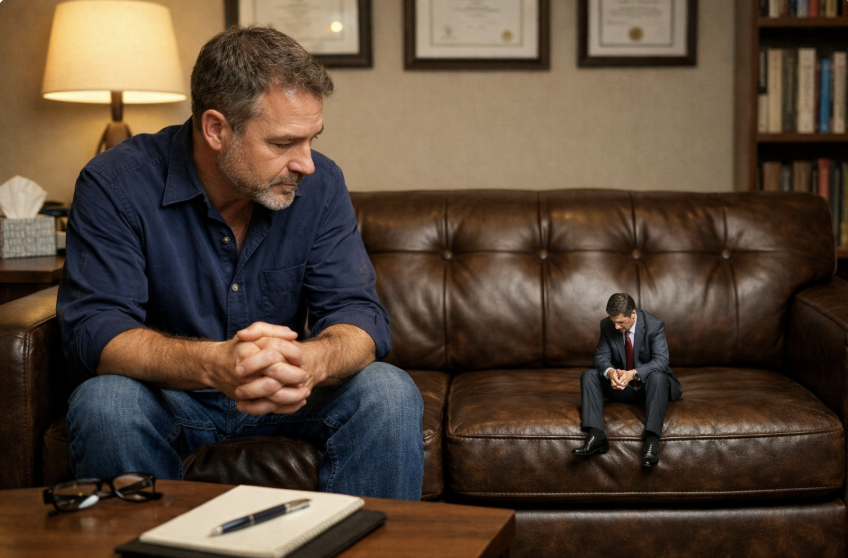

Understanding porn addiction treatment for men
If you are struggling with compulsive pornography use, you may feel ashamed, isolated, and unsure where to turn. Porn addiction treatment is designed to help you regain control of your behavior, rebuild trust in relationships, and restore a healthy sense of identity and sexuality.
For many men, residential or inpatient care provides the safest and most confidential setting to break entrenched patterns. In a men’s only environment, you have space to be honest about your behavior without fear of judgment from the opposite sex, and you can address the deeper issues that drive compulsive porn use.
When porn use becomes an addiction
Not all pornography use is an addiction. Porn addiction is better understood as compulsive sexual behavior that continues even when it harms your life. You may have tried to quit or cut back many times but find yourself returning to the same patterns.
You might be dealing with porn addiction if you:
- Spend more time viewing porn than you intend
- Hide your behavior from your partner, family, or friends
- Use porn to cope with stress, loneliness, or difficult emotions
- Feel guilt or shame afterward but still repeat the pattern
- Experience problems at work, in relationships, or with finances due to your use
- Escalate to more extreme content or longer sessions to get the same effect
Over time, compulsive porn use can impact mood, concentration, motivation, and sexual functioning. It can also deeply affect how you see yourself. Effective porn addiction treatment addresses both the behavior and the internal shame that often keeps you trapped in secrecy.
Why choose residential porn addiction treatment
Outpatient therapy or support groups are helpful for many men, but a residential setting often offers the intensity and structure needed for lasting change, especially if you have tried to stop on your own before.
A confidential and private setting
Privacy is often a top concern. You may worry about your reputation, career, or family finding out. A residential porn addiction rehab provides:
- Discreet admissions processes
- Secure, controlled access to the facility
- Clear confidentiality policies that protect your identity
- Staff trained to handle sensitive disclosures with respect
In a men’s only residential environment, every man is there for similar reasons. This shared understanding can ease the fear of being “the only one” and allows you to speak more freely about your behavior and struggles.
Structure that breaks unhealthy patterns
At home, you are often surrounded by triggers, devices, and opportunities to act out. In residential care, you step into a structured environment that supports new habits.
Your day may include:
- Individual therapy sessions
- Small process groups and accountability meetings
- Psychoeducation about addiction, trauma, and healthy sexuality
- Time for reflection, journaling, and practicing new skills
- Healthy routines for sleep, nutrition, movement, and spiritual or reflective practices
Removing yourself from your usual environment gives your brain and body time to reset. You gain the space to focus on healing instead of constantly battling temptation.
Safety if you have co‑occurring issues
Many men with compulsive porn use also experience depression, anxiety, trauma symptoms, or other addictions. A residential sexual addiction treatment center is often equipped to assess and treat co‑occurring conditions in a coordinated way.
This integrated approach is important, because untreated anxiety, PTSD, or mood issues can quickly pull you back into old patterns if they are not addressed alongside your sexual behavior.
Core components of effective porn addiction treatment
Strong porn addiction treatment does more than tell you to “stop.” It helps you understand why you compulsively return to porn, then gives you tools to build a different life.
While each program is unique, most effective men’s residential programs share several core components.
Comprehensive assessment and personalized plan
Your experience with pornography is shaped by your history, relationships, culture, and beliefs. A thorough intake process helps your team understand:
- How long you have struggled with compulsive porn use
- Your acting out patterns and escalation over time
- Relationship history, including trust injuries or infidelity
- Family background and any history of abuse, neglect, or trauma
- Co‑occurring substance use or mental health concerns
- Spiritual or values framework that matters to you
From this, your team develops an individualized treatment plan. This allows your care to be tailored to your specific needs instead of applying a one size fits all approach.
Trauma‑informed therapy and emotional healing
Many men use porn to numb or avoid unresolved pain. You may not describe yourself as “traumatized,” yet you might carry wounds from childhood, betrayal, bullying, religious shame, or military or job‑related stress.
Trauma‑informed therapy recognizes that:
- Compulsive sexual behavior is often a coping strategy that began as a form of survival
- Sudden confrontive approaches can feel unsafe and reinforce shame
- You need both accountability and compassion to change
Through individual therapy and group work, you learn to identify emotions you have been avoiding, process past experiences, and build safer ways to soothe and regulate yourself.
Evidence based approaches that are often used include:
- Cognitive behavioral therapy (CBT) to identify and change distorted thinking patterns
- Acceptance and commitment therapy (ACT) to help you live according to your values even when you feel urges
- Trauma focused therapies to address painful memories and triggers at their roots
Accountability groups and peer support
Porn addiction thrives in secrecy. One of the most powerful elements of residential treatment is the opportunity to be fully honest with other men who understand your struggle.
Accountability groups help you:
- Share your story and hear that you are not alone
- Explore unhealthy beliefs about masculinity, sex, and intimacy
- Receive honest feedback from peers who care about your growth
- Practice vulnerability in a structured and safe setting
- Build a network of men you can stay connected with after discharge
In a men’s only environment, topics like sexual performance fears, fetishes, erectile difficulties, and identity questions can be discussed openly and respectfully. This breaks isolation and helps you see your behavior more clearly.
Many men report that sitting in a room with others who say out loud what they thought they would never share is the moment their healing truly begins.
Identity restoration and healthy sexuality
Compulsive porn use can distort how you see yourself and others. You might feel like a “bad person,” disconnected from your values, or unsure how to relate sexually without a screen.
A quality sex addiction rehab will not simply focus on abstinence. It will also help you:
- Rebuild a sense of dignity and worth that is not defined by your worst decisions
- Clarify your personal values around sex, intimacy, and relationships
- Understand how fantasy and porn have shaped your expectations and desires
- Learn what healthy, consensual, and respectful sexuality looks like in real life
For men in relationships, there is often a focus on repairing trust and learning to communicate more honestly with your partner. For single men, the work often centers on preparing for future relationships and building a life that is meaningful even without a partner.
What a typical day in men’s residential porn treatment can include
While schedules vary by program, a typical day in a men’s residential inpatient sex addiction rehab might include:
Morning
- Mindfulness, meditation, or spiritual reflection
- Group check in and intention setting
- Psychoeducation group on addiction, trauma, or relationships
Midday
- Individual therapy session
- Specialty group, such as relapse prevention or shame and self worth
- Movement or outdoor activity to support physical health
Afternoon and evening
- Process or accountability group
- Time for assignments, journaling, or step work
- Optional family session by phone or video, when appropriate
- Evening reflection or 12 step style meeting
This structure provides a balance of therapy, education, peer support, and rest. Over time, you begin to experience your days differently, not directed by secret acting out but by intentional choices that support your recovery.
How inpatient porn addiction treatment addresses shame and secrecy
Shame is often the most painful part of porn addiction. You may believe that if others knew everything you had done, they would reject you. This belief keeps you isolated and makes it harder to ask for help.
Effective residential treatment focuses directly on shame and secrecy by:
- Creating a nonjudgmental environment where honest disclosure is welcomed
- Helping you separate your behavior from your core identity
- Challenging harsh internal messages you may have absorbed from family, culture, or faith communities
- Teaching you how to disclose your history in stages and with appropriate boundaries
- Reinforcing that accountability is not humiliation, it is a path to freedom
As you tell the truth, receive empathy, and experience consistent boundaries, you begin to trust that you can be known and still accepted. This shift is crucial for long term change.
Length of stay and levels of care
Men’s residential porn addiction treatment programs commonly offer 30, 45, or 60 day stays, although some men may benefit from longer intensive work depending on the severity and complexity of their situation.
A typical progression might include:
-
Residential or inpatient treatment
You live on site, receive daily therapy and groups, and are protected from many triggers. The focus is stabilization, insight, and building a strong foundation. -
Step down or intensive outpatient care
After discharge, you might attend several sessions per week while living at home or in a sober living environment. This bridges the gap between intensive treatment and everyday life. -
Ongoing outpatient therapy and groups
Long term individual therapy, support groups, and accountability meetings help you reinforce new patterns and address issues as they arise.
Choosing between these options often depends on how long you have struggled, any previous treatment attempts, your home environment, and your responsibilities at work or with family. A thorough assessment can help you determine what level of care is most appropriate.
Preparing for residential porn addiction treatment
Deciding to enter residential care is a major step. Preparation can reduce anxiety and help you make the most of your time in treatment.
Here are several practical and emotional steps you can take:
-
Clarify your goals
Write down what you want to be different when you leave treatment. Consider your behavior, relationships, mental health, spiritual life, and work. -
Arrange responsibilities
Coordinate time off with your employer if needed, arrange childcare or household coverage, and manage financial obligations. Many programs can provide documentation to support your leave. -
Consider how and what to disclose
Decide who needs to know where you are going and how much detail to share. A therapist or admissions specialist can help you plan these conversations. -
Prepare to be honest
Commit to telling the truth in groups and sessions, even when it feels uncomfortable. Honesty will accelerate your progress. -
Plan for technology boundaries
Be ready to surrender devices if required and to follow program guidelines about internet and phone use. These boundaries protect your healing process.
Taking these steps communicates to yourself and others that you are serious about change.
Life after treatment and long‑term recovery
Residential porn addiction treatment is a beginning, not an ending. Once you leave, you will return to a world where triggers and opportunities still exist. A solid aftercare plan is essential.
A thoughtful discharge plan usually addresses:
- Continued individual therapy with a clinician experienced in compulsive sexual behavior
- Participation in ongoing groups or 12 step style fellowships focused on sex and porn addiction
- Clear boundaries around technology, including filters, accountability software, or device agreements
- Relationship or couples counseling when appropriate
- Regular check ins with peers you met in treatment for mutual support
Many men find that the skills learned in treatment, such as emotional regulation, boundary setting, and honest communication, benefit every area of life, not just their sexual behavior. Over time, recovery becomes less about constantly fighting urges and more about building a life that is rich, connected, and aligned with your values.
Choosing the right men’s porn addiction treatment program
With many options available, it is important to find a program that fits your needs, beliefs, and level of comfort. When you speak with admissions or review a program, consider asking:
- Is the program exclusively for men, and how does that shape the environment and curriculum
- How do you incorporate trauma informed care into treatment
- What is your approach to shame and secrecy
- How is confidentiality protected for professionals, public figures, or individuals with sensitive roles
- What is the typical length of stay, and how flexible can that be
- How do you involve partners or family members in the process
- What kind of aftercare or alumni support is available
You may also want to explore whether the program is part of a broader sex addiction rehab network or is a specialized sexual addiction treatment center that understands the nuances of porn, affairs, compulsive hookups, and related behaviors.
If you are ready to consider the next step, a dedicated inpatient sex addiction rehab for men can provide the structure, safety, and guidance you need. You do not have to continue living in secrecy and shame. With the right support, you can move toward integrity, restored relationships, and a healthier experience of your own sexuality.