
Residential Treatment for Mood Instability in Men
Mood disorders encompass a range of conditions characterized by persistent or fluctuating disturbances in emotional state. While depression is one form, other mood disorders involve cyclical shifts in energy, irritability, motivation, and emotional intensity that can significantly disrupt daily functioning.
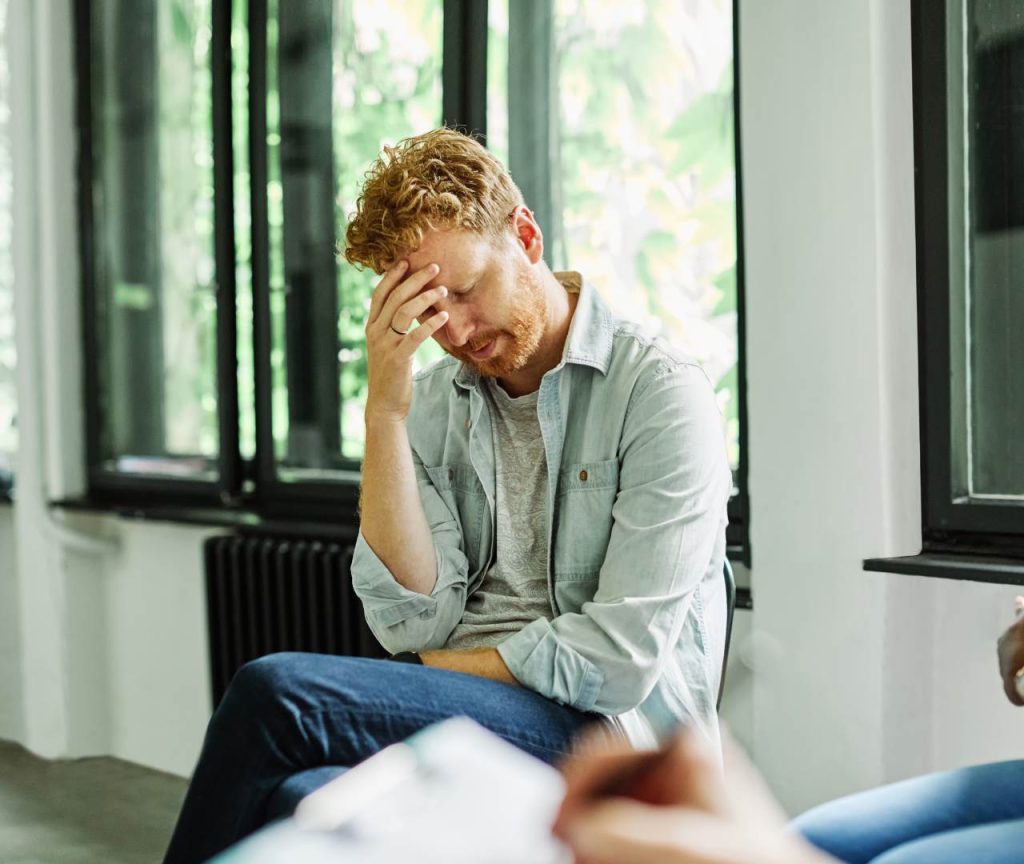
In men, mood instability often presents as irritability, agitation, impulsivity, or emotional withdrawal rather than overt sadness. Periods of increased energy or productivity may alternate with fatigue, low motivation, or hopelessness. These fluctuations can strain relationships, impair professional performance, and increase vulnerability to substance use.
At Rippling Waters, mood disorders are treated within an integrated residential model that addresses both emotional regulation and co-occurring addictive behaviors.
Within our residential program, we treat mood disorders including:
Accurate diagnosis is essential. Mood symptoms are carefully evaluated in the context of substance use, trauma history, medical factors, and developmental background to ensure appropriate treatment planning.
Mood disorders frequently intersect with addiction. During low mood states, substances may be used to elevate energy or numb emotional pain. During elevated or agitated states, impulsivity may increase, leading to risk-taking behaviors and substance misuse.
When mood instability is untreated, relapse risk rises significantly. Similarly, active substance use can mimic or exacerbate mood symptoms, complicating diagnosis.
Rippling Waters provides integrated care so that mood stabilization and addiction recovery occur concurrently rather than in isolation.
Mood disorders often impair emotional regulation. Men may struggle to modulate anger, frustration, or excitement. Decision-making can become reactive rather than measured. Relationships may be destabilized by unpredictability.
Residential treatment provides containment and structure during periods of mood instability. Daily routine, clinical oversight, and peer accountability reduce environmental volatility while therapeutic work addresses internal regulation.
Over time, men develop greater awareness of mood shifts and learn to respond with intention rather than impulse.
For many men, mood instability is intertwined with trauma exposure, chronic stress, or identity-based pressure. Performance expectations, unresolved grief, and shame-based beliefs can intensify mood fluctuations.
Treatment at Rippling Waters integrates trauma-informed modalities and belief system examination to reduce underlying drivers of mood dysregulation. Emotional literacy and psychological flexibility are strengthened through consistent therapeutic engagement.
Treatment for mood disorders within the residential setting includes:
The contained environment supports stabilization while long-term coping strategies are developed.

Mood swings are severe or unpredictable
Impulsivity is increasing
Substance use accompanies mood instability
Outpatient treatment has not produced sustained stability
Relationships or employment are at risk
Rippling Waters is a private-pay residential program serving men primarily from the Northeast, with national admissions available. Our admissions process is confidential, structured, and direct.