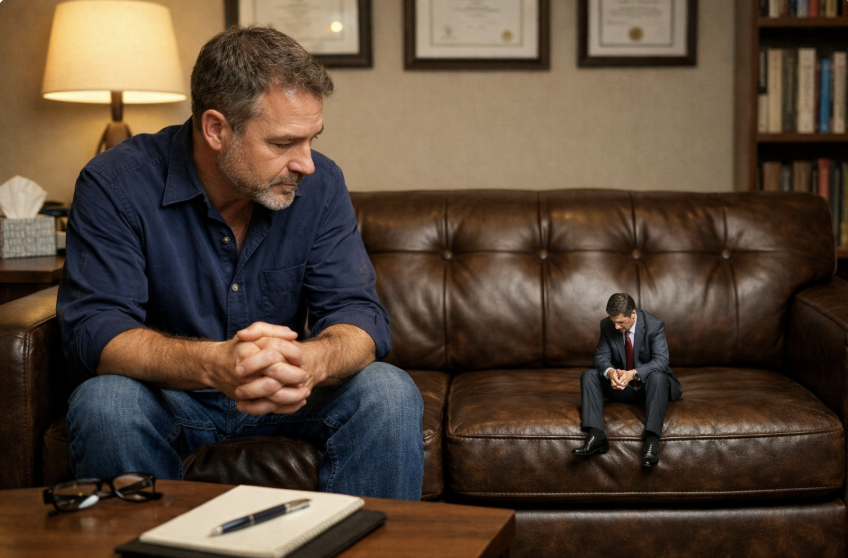

Understanding gambling rehab for men
If gambling has stopped feeling like fun and started to feel like something you cannot control, you are not alone. Gambling rehab gives you a structured, safe place to step away from the chaos, look honestly at what is happening, and start rebuilding your life.
In a men’s-only residential program, you live on-site for a set period of time. During that stay, you follow a daily schedule of therapy, education, peer support, and practical skill building. The focus is not only on stopping the bets, but on healing the stress, shame, and impulsive patterns that keep pulling you back to the next game or wager.
Specialized gambling treatment center programs recognize that gambling addiction is a behavioral health condition, not a moral failure. Problem gambling affects between 0.2% and 4.0% of the general population, with even higher rates among college students, yet less than 15% of people with gambling disorder ever receive treatment [1]. Choosing treatment is a sign of strength, not weakness.
Why a structured residential program matters
You may have tried to quit on your own. Maybe you deleted betting apps or promised yourself you would stop going to the casino, only to find yourself gambling again when stress or cravings hit. A structured residential program changes the environment and the rules so you are not fighting this alone.
In a men’s-only residential gambling treatment program, you step into a controlled setting where access to gambling is removed, your days are planned, and you have round the clock support. This separation from triggers gives your brain and body time to reset, while you focus fully on recovery.
Residential gambling rehab often follows a 28 day or longer model that includes individual therapy, group therapy, psychoeducation, and holistic activities designed to keep you away from gambling cues and focused on healing [2]. After this intensive phase, you can transition into step down levels of care such as day treatment, intensive outpatient, or standard outpatient to maintain momentum and prevent relapse [2].
How gambling addiction affects your life
Compulsive gambling does more than drain a bank account. It touches every part of your life. Understanding the full impact can help you see why a comprehensive approach in gambling rehab is so important.
Financially, you may be facing debt, unpaid bills, maxed out credit cards, or borrowing money from friends and family. In some cases, problem gambling leads to using funds meant for housing, food, or family needs [3]. The short term hope of a big win often hides long term financial damage.
Emotionally, gambling can create intense guilt, shame, anxiety, and fear. You might be hiding your gambling, lying about losses, or exaggerating wins to cover the truth [3]. Relationships can become strained or broken. You may find yourself withdrawing from people you care about, avoiding hobbies you once enjoyed, and feeling increasingly isolated.
Physically and mentally, sleepless nights, constant worry about money, and the adrenaline cycle of wins and losses can exhaust you. Many men arrive at an inpatient gambling rehab program feeling worn down, hopeless, and unsure how to stop. A focused residential setting helps you slow everything down and start treating gambling as the serious behavioral health issue it is.
When you understand that gambling addiction is not just about money, but about how you think, feel, and respond to stress, the need for a whole person treatment approach becomes clear.
Why a men’s only environment can help
Men often carry unique pressures into treatment. You might feel you must be the provider, stay strong, and avoid showing weakness. These expectations can make it harder to admit that gambling has gotten out of control or to talk honestly about fear and shame.
In a men’s-only gambling addiction center, you are surrounded by peers who face similar pressures. This shared experience can make it easier to open up, admit the truth, and ask for help. In groups and daily interactions, you can talk honestly about:
- Masculinity and how it shapes your reactions to stress
- The pressure to perform at work or financially
- Fear of being seen as a failure or disappointment
- Relationship struggles that you may not feel safe discussing in mixed groups
Over time, this kind of environment helps you build camaraderie instead of competition. You start to see that other men struggle in similar ways, that vulnerability is not weakness, and that you can rebuild a healthier sense of identity that is not based on wins, losses, or status.
Core therapies used in gambling rehab
Effective gambling rehab uses evidence based therapies that target the thoughts, emotions, and behaviors that drive your gambling. Research shows that cognitive behavioral therapies, often combined with motivational interventions, have the strongest evidence of benefit for gambling disorder [1].
Cognitive behavioral therapy (CBT)
CBT helps you identify the patterns that keep you stuck. In gambling rehab, CBT often focuses on:
- Recognizing distorted beliefs about luck, skill, or “due” wins
- Challenging the idea that you can gamble your way out of a hole
- Learning to spot triggers such as stress, boredom, or loneliness
- Building healthier coping skills that do not involve gambling
In one trial, about 69% of patients who received individual CBT for gambling no longer met diagnostic criteria for gambling disorder at the end of treatment, outperforming Gamblers Anonymous referral alone or workbook only approaches [1]. In a residential setting, you have daily opportunities to practice CBT skills in real time, with support from staff and peers.
Impulse control and emotion regulation work
Compulsive gambling often involves difficulty managing impulses and intense emotions. You might feel a rush of urgency to place a bet or an overwhelming need to chase losses. Therapies used in gambling rehab, such as dialectical behavioral therapy (DBT), psychodynamic therapy, and interpersonal therapy, help you understand what sits underneath that urge and how to ride it out without acting on it [2].
In a structured men’s program, you practice:
- Slowing down your reaction between urge and action
- Using grounding and breathing techniques when cravings spike
- Naming and expressing emotions instead of numbing them with gambling
- Setting up practical barriers, such as limits and accountability partners
These skills are not abstract. You use them throughout your stay whenever you feel tempted, frustrated, or overwhelmed.
Medication support when appropriate
While there is no single medication that cures gambling disorder, some men benefit from medications that help stabilize mood, reduce anxiety, or address co occurring conditions. Selective serotonin reuptake inhibitors (SSRIs) and other psychopharmaceutical options may be part of your overall plan if you and your provider decide they are appropriate [2].
In a residential setting, medical professionals can monitor your response to medications, coordinate care for other health issues, and adjust treatment as needed.
Building a strong male peer community
One of the most powerful parts of a men’s residential gambling program is the community you build with other men. Instead of facing your addiction alone, you live, learn, and recover in a group of people who deeply understand what you are going through.
Daily groups, shared meals, and structured activities help you move from isolation to connection. You have space to:
- Share your story without being judged
- Hear how others deal with cravings and setbacks
- Give and receive honest feedback
- Practice accountability and support
Peer support groups like Gamblers Anonymous use a structured 12 step program to create a sense of community and shared recovery path for people struggling with gambling [4]. Many residential programs introduce you to this type of group and encourage you to continue attending after you leave.
Living alongside other men in recovery helps you see that change is possible. You witness small victories, setbacks, and resilience every day. Over time, you start to carry that same sense of commitment and hope for yourself.
Creating accountability systems that actually work
When gambling happens in secret, it grows. A key goal of gambling rehab is to bring your behavior into the open and put structures in place that keep you accountable long after you leave residential care.
During your stay, you work with your treatment team to create a clear accountability plan. This may include:
- Identifying trusted people who will help monitor your progress
- Setting financial safeguards such as shared accounts or spending limits
- Blocking access to online gambling platforms
- Agreeing on specific steps to take if you feel close to a relapse
Outpatient treatment programs, including intensive outpatient settings that offer nine or more hours of structured programming per week, give you space to continue working on accountability while you live at home [4]. Your residential team will often help you connect to these services so you are not left on your own the day you leave.
Accountability is not about punishment. It is about creating a framework where your values and your daily choices are aligned, even when stress is high and temptation returns.
Rebuilding your financial life
The financial fallout of gambling can feel overwhelming. Debt, missed payments, damaged credit, or legal concerns may make you wonder how you will ever catch up. Effective gambling rehab does not ignore this reality. It helps you face it in a structured, step by step way.
During a men’s residential program, you can begin to:
- Take a clear inventory of debts and financial obligations
- Prioritize essential expenses like housing, food, and family needs
- Learn basic budgeting skills and money management
- Create a realistic repayment or recovery plan
Some states, like New York, offer free financial counseling and tools such as self exclusion programs to help minimize gambling related harm and prevent future damage [3]. Your treatment team can help you understand what is available in your area and how to use these supports.
In many cases, part of rebuilding your financial life also involves repairing trust. As you create and follow a financial plan, you show partners, family members, and yourself that you are committed to long term change, not quick fixes.
Redefining your identity beyond gambling
When gambling has been part of your life for years, it can start to feel like a core part of who you are. You may see yourself as a “gambler” before anything else. One purpose of residential gambling rehab is to help you reclaim a fuller sense of identity.
In therapy and groups, you explore questions like:
- Who were you before gambling took over
- What values matter most to you now
- What kind of man, partner, father, or friend do you want to be
- How do you want to handle stress, disappointment, or success in the future
As you connect with other men on similar paths, you begin to define yourself by your honesty, resilience, and choices, not by your past losses or mistakes. Activities, hobbies, and interests that have been pushed aside by gambling can be rediscovered or rebuilt.
This identity work is not about erasing your history. It is about integrating it, learning from it, and moving forward with a clearer sense of who you are and what you stand for.
What to expect from a residential stay
Each program is unique, but most men’s residential gambling rehabs share some common elements. A typical day might include a mix of individual counseling, group therapy, educational sessions, meals, physical activity, and downtime for reflection.
Here is an example of how key components can fit together:
| Component | What it focuses on |
|---|---|
| Individual therapy | Personal history, triggers, core beliefs, goals |
| Group therapy | Peer support, shared experiences, communication |
| Psychoeducation | Understanding gambling disorder and brain behavior |
| Skills groups (CBT / DBT) | Coping skills, impulse control, relapse prevention |
| Holistic or wellness activities | Stress reduction, physical health, mindfulness |
| Family or partner sessions | Communication, trust building, planning for return |
Residential and inpatient programs provide 24/7 support in a structured setting, which is especially important for severe cases or when you need distance from high risk environments [4].
Before you admit, your chosen gambling treatment center will typically review your history, current risks, and goals to determine the right length of stay and level of care.
Accessing help and choosing a program
Finding the right program can feel like a lot of work when you are already overwhelmed. There are resources that can make this first step easier.
- Recovery.com has reviewed thousands of treatment centers that specialize in gambling addiction, including virtual, outpatient, and residential options across the United States and worldwide [2].
- The National Problem Gambling Helpline at 1 800 MY RESET offers confidential support and can connect you with local treatment and support options in all 50 states [5].
- SAMHSA’s National Helpline at 1 800 662 HELP (4357) provides free, confidential treatment referrals and information 24 hours a day, every day of the year, for people facing substance use and related behavioral health issues, including gambling [6]. If you prefer texting, you can send your ZIP code to 435748 (HELP4U) in English to receive local referrals [6].
- If you live in New York State, you can contact the OASAS HOPEline at 1 877 8 HOPENY or text HOPENY (467369) for support and connection to services [3].
Accredited gambling rehabs often hold certifications from organizations such as the Joint Commission, CARF, or LegitScript, and many accept insurance coverage, although Medicare and Medicaid acceptance varies. It is important to verify your coverage directly with the center before admission [2].
When you speak with a program, consider asking about:
- Their experience with men’s only inpatient gambling rehab
- The types of therapies they use for gambling disorder
- How they address impulse control, financial repair, and long term accountability
- What step down or aftercare options they connect you with after discharge
Taking your next step today
If gambling has taken more from you than you ever planned to give, you do not have to keep doing this alone. A men’s focused residential gambling program provides time, structure, and support to step away from the cycle of betting and loss, work on the real causes behind your behavior, and begin rebuilding your life.
Reaching out for help can feel like the hardest move you will ever make. It is also the one that can change everything. You can contact a specialized residential gambling treatment program directly, call a national helpline for guidance, or talk with someone you trust about what is going on.
You are not defined by your last bet. With the right treatment, accountability, and community, you can learn to live without gambling controlling your choices, repair what has been damaged, and move forward with a new sense of identity and purpose.